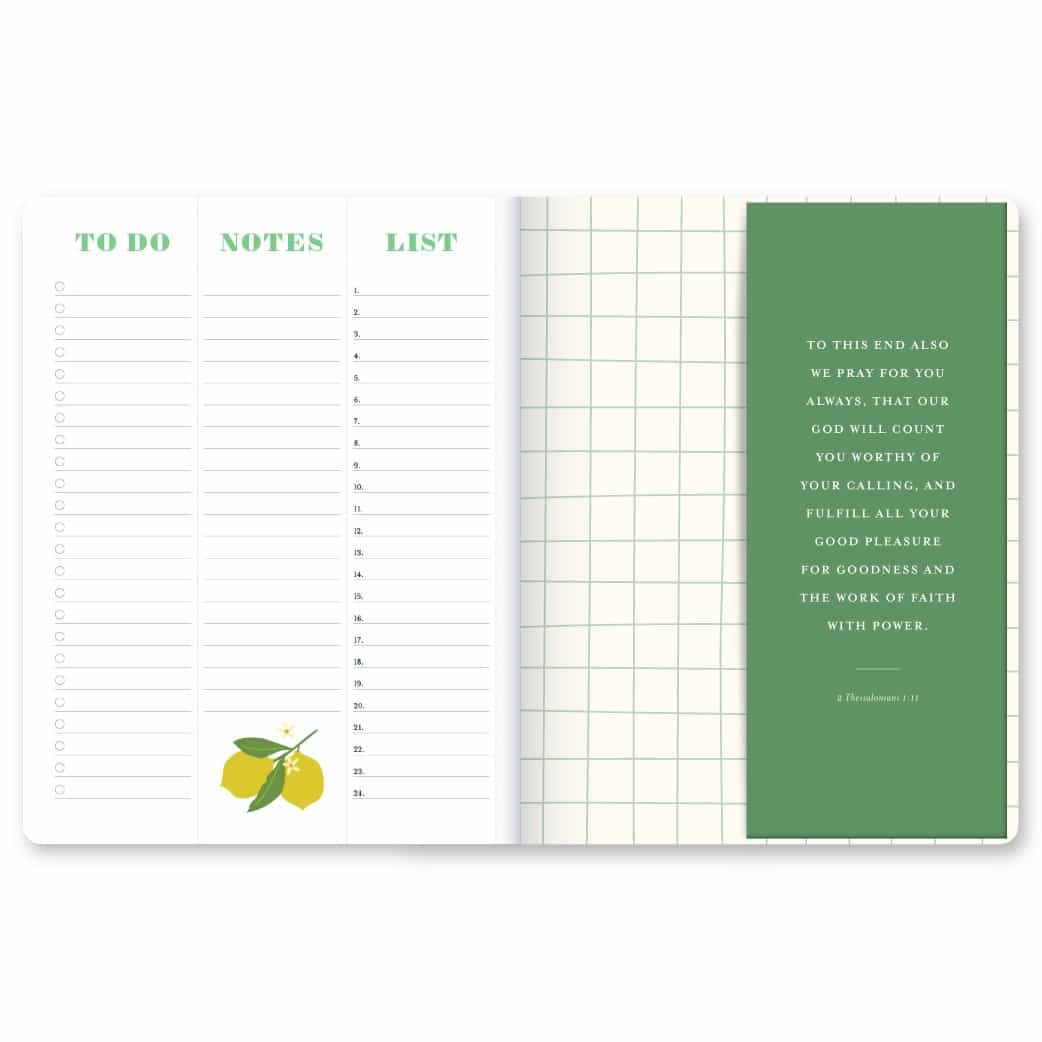

Planners are deeply personal tools. They live in backpacks, purses, cars, desks, and hands—opened and closed multiple times a day. That kind of use demands a different level of thinking than standard book printing.
A successful planner must feel right, function smoothly, and hold up over time. That means every production choice matters, from the cover material to the binding method to the paper inside.
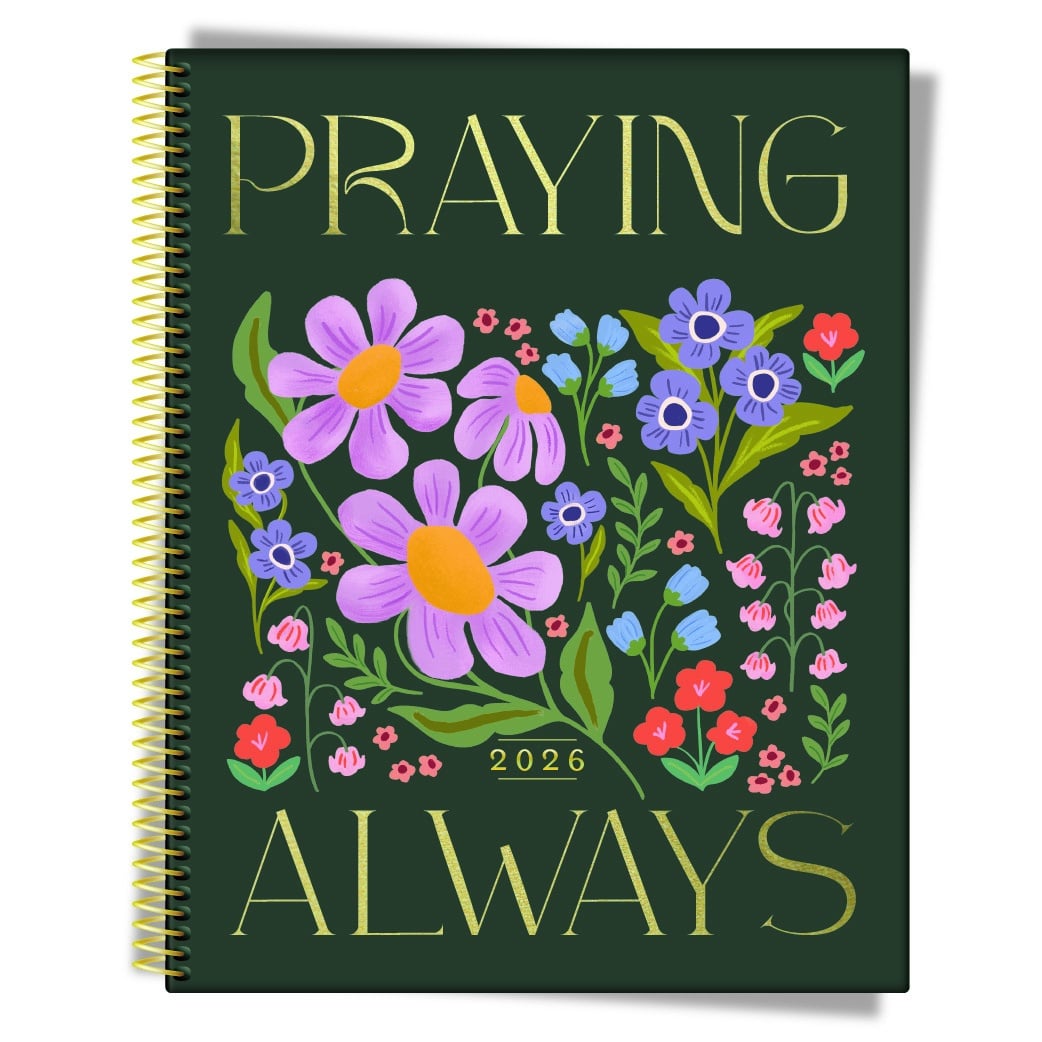
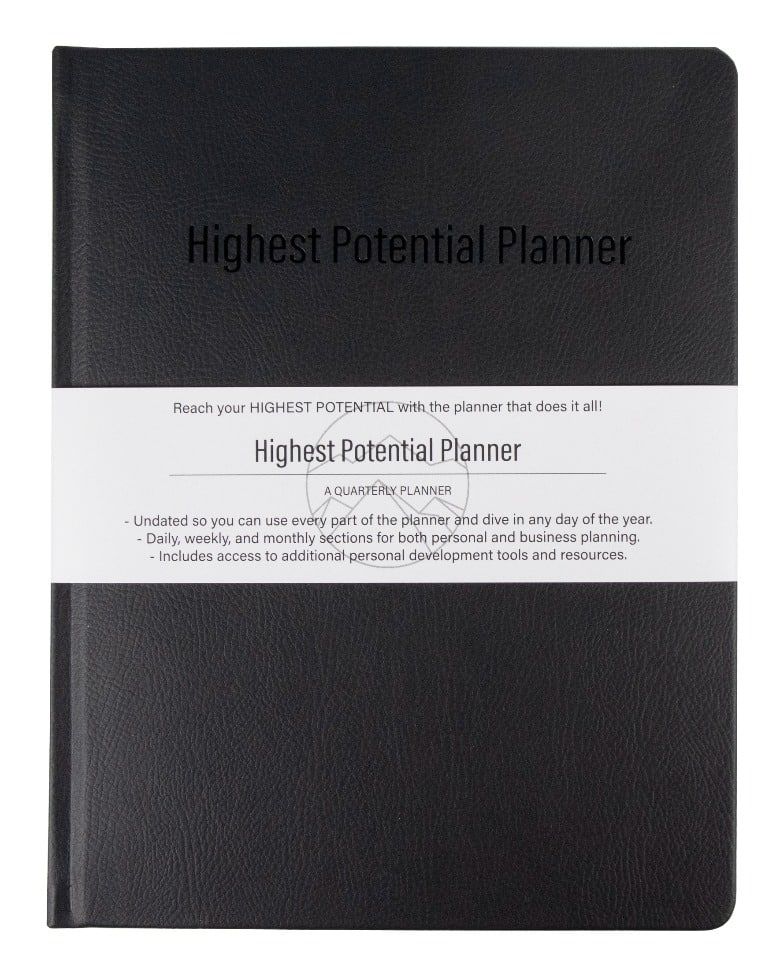
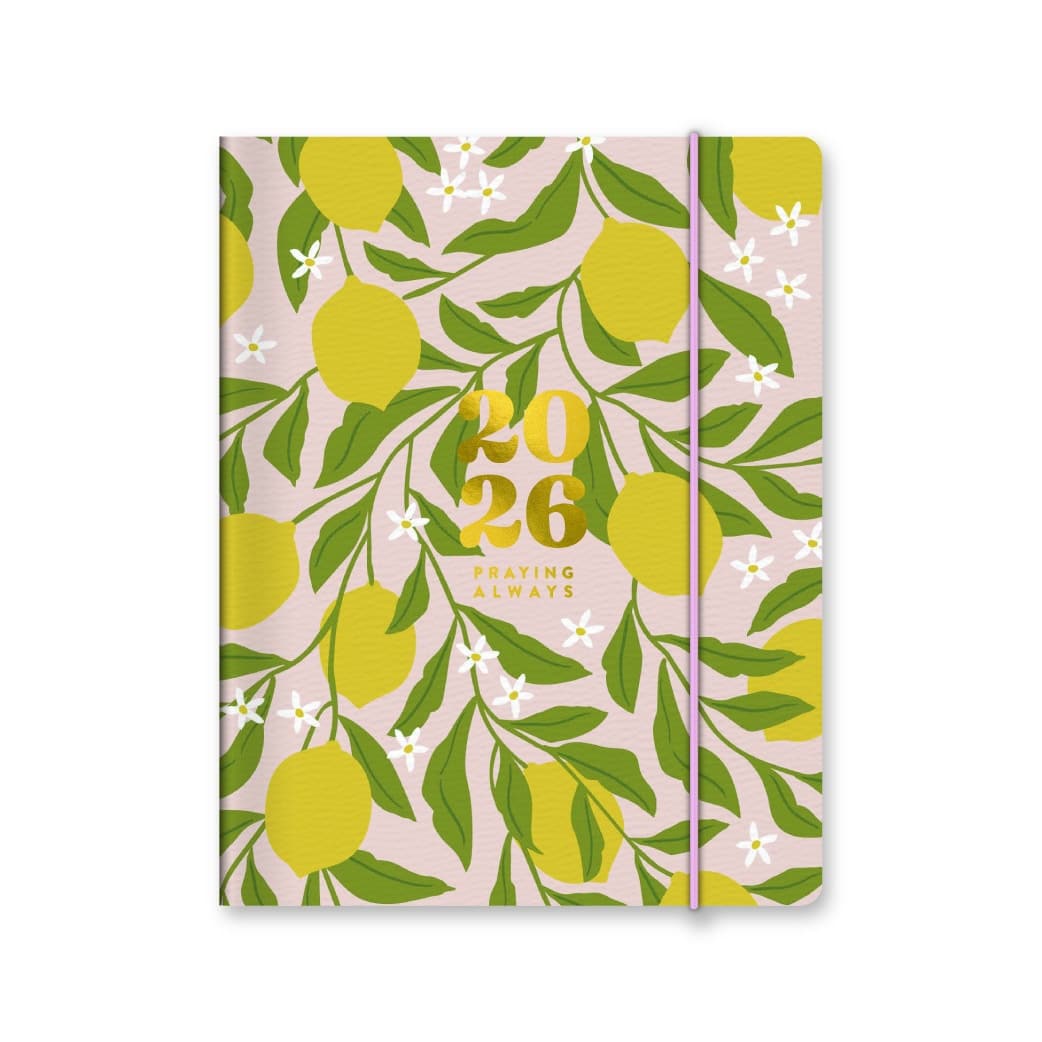
A planner’s cover sets expectations immediately.
Popular planner cover options include:
Cover material selection affects not only appearance, but longevity and perceived value.
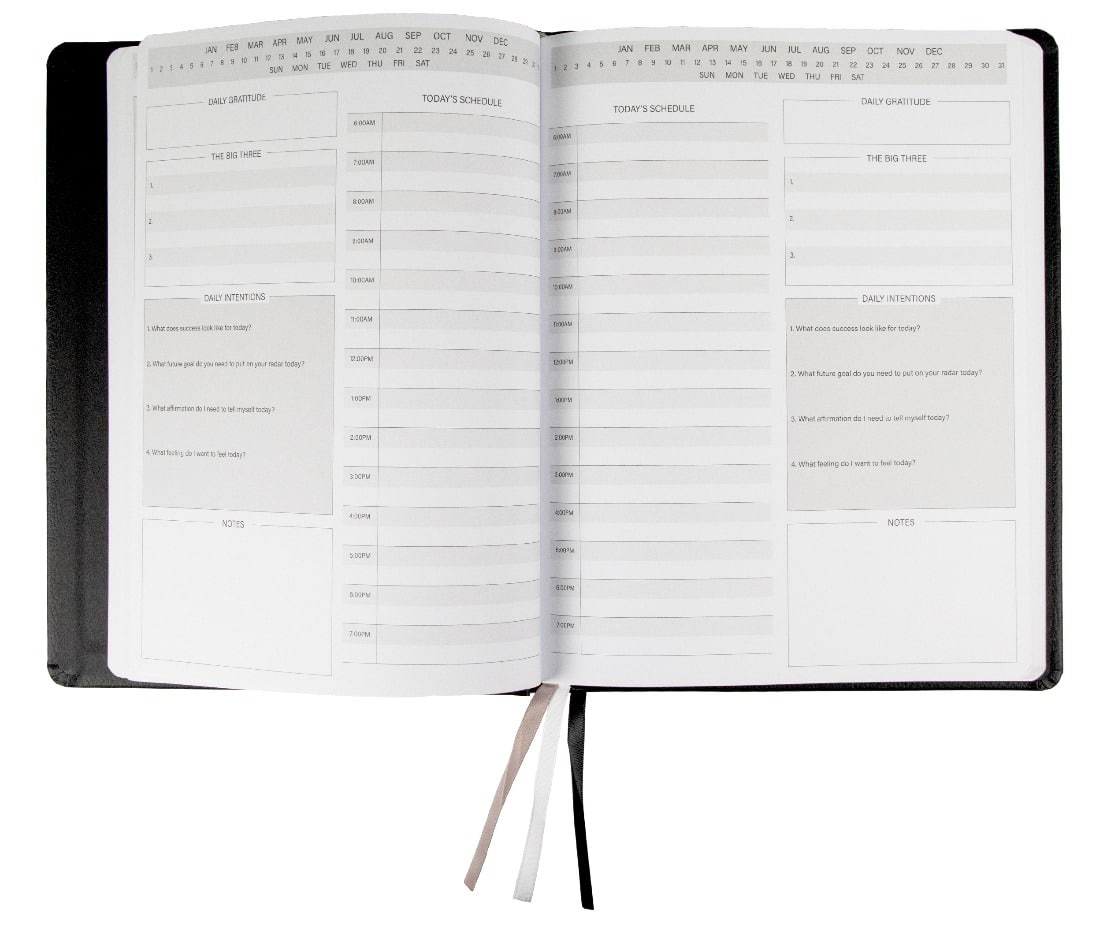
Planner pages are meant to be written on—not just read.
Interior paper must be chosen carefully to:
Paper that works for books often fails in planners. Writing performance matters.
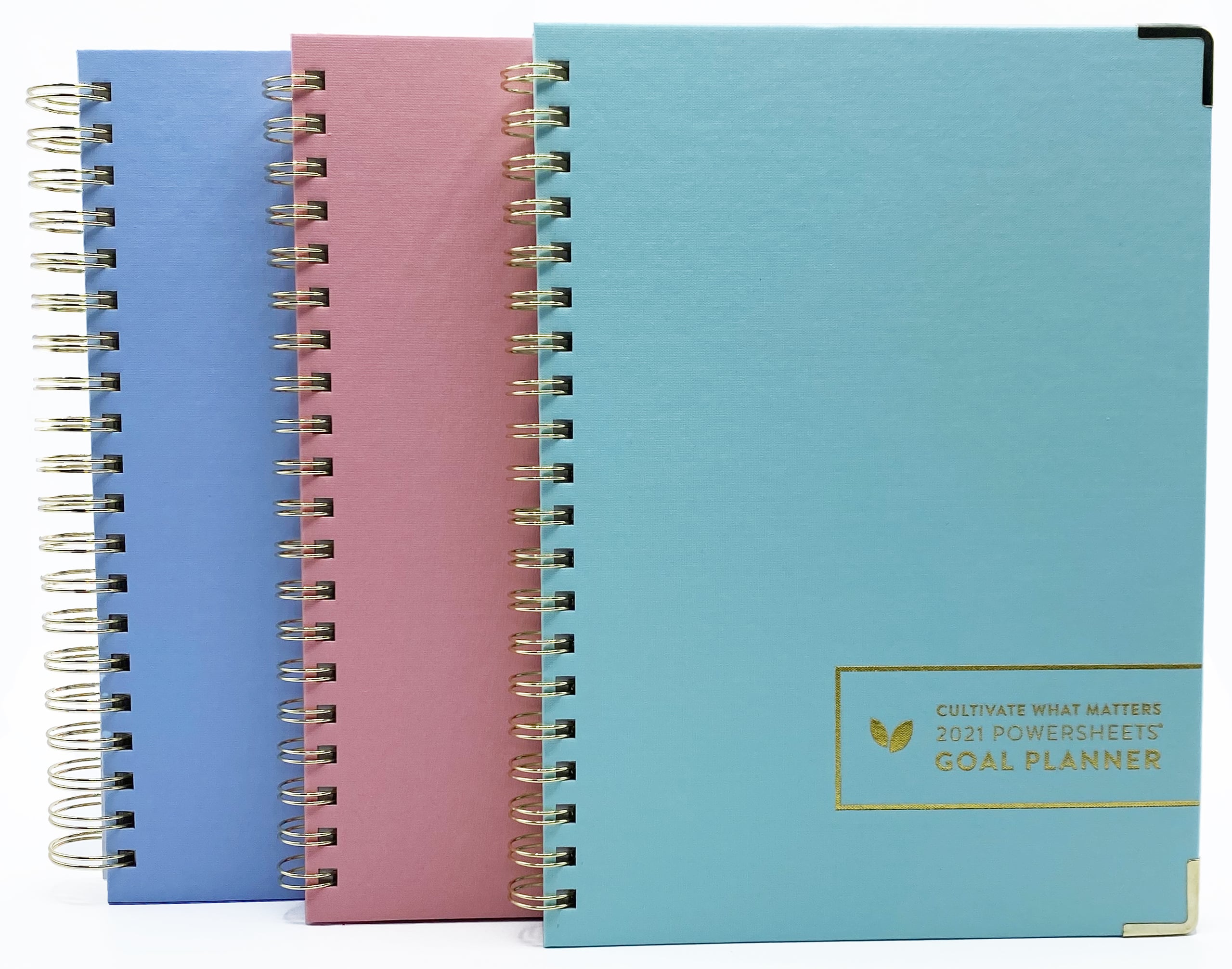
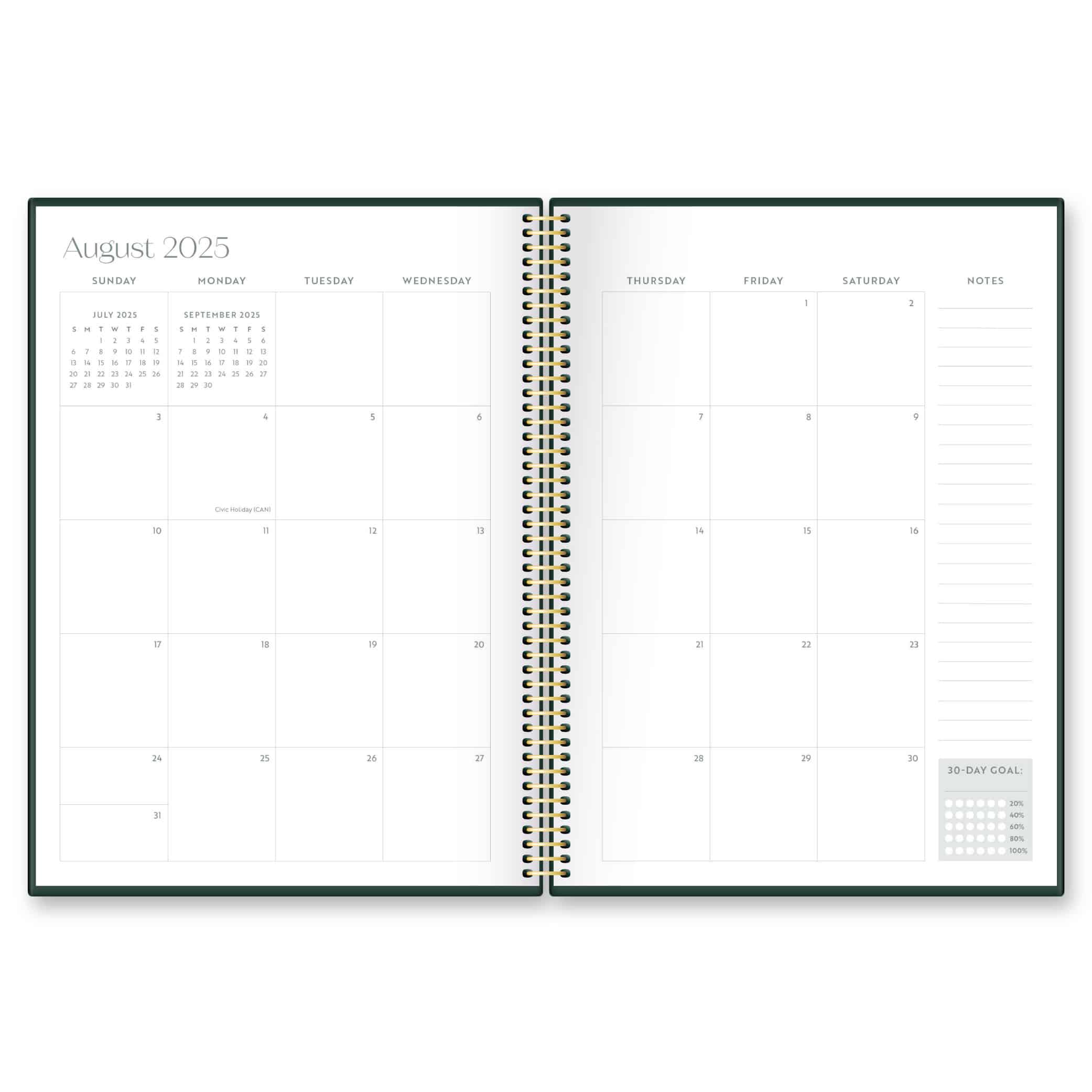
Binding is one of the most critical planner decisions.
Common planner binding methods include:
The right binding depends on how the planner will be used, stored, and carried.
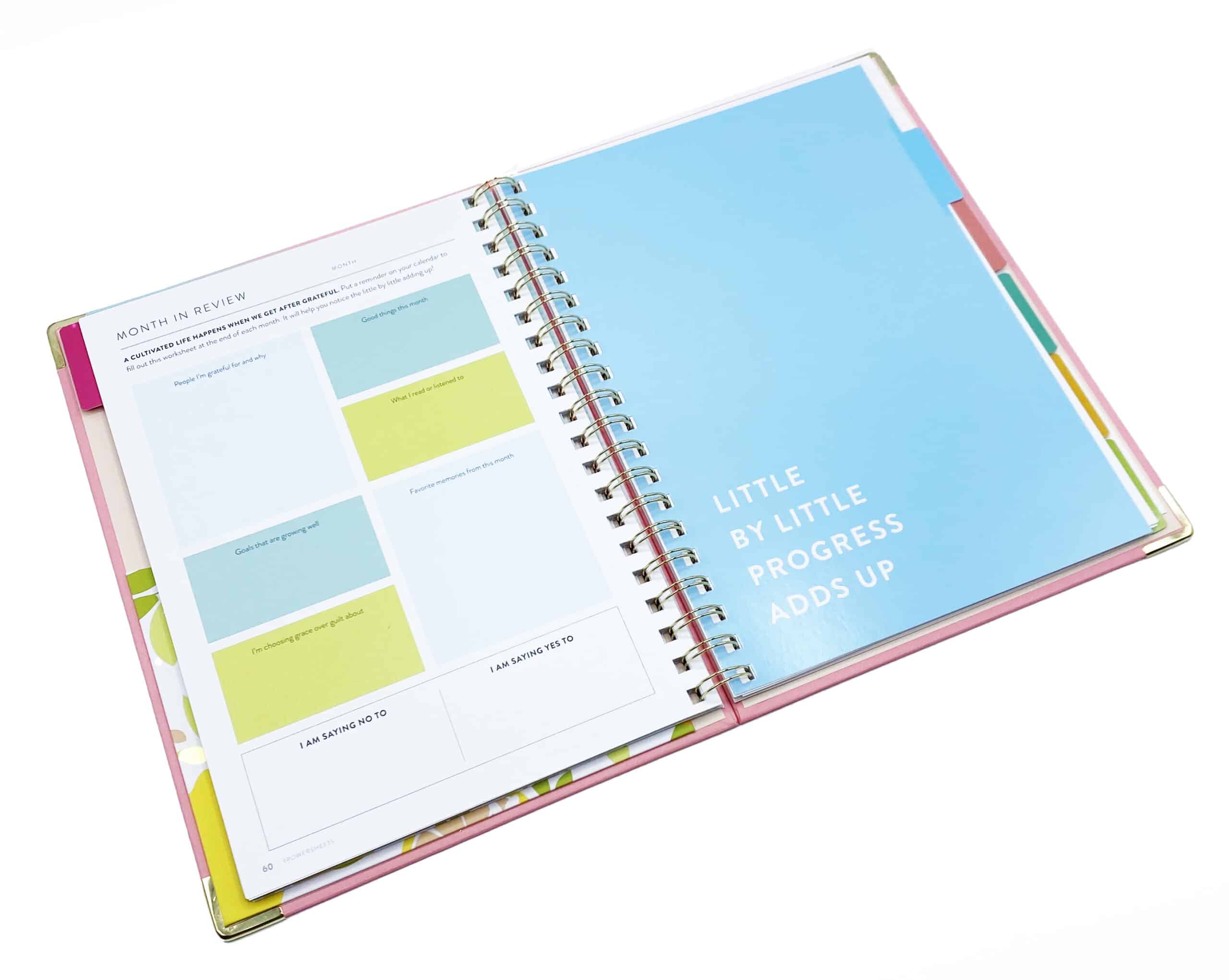
Planners are often more complex than they appear.
They may include:
These elements require precise alignment and consistent execution across the entire run.

Yes. With the right specifications and oversight, overseas Bible printing can meet or exceed domestic quality.
It depends on usage. Coil and disc bindings are popular for flexibility, while sewn bindings suit premium planners.
Yes. We manage production details for tabs, inserts, and custom features.
Yes. We document specs to ensure future editions match previous runs.
Clarify audience, usage, and brand expectations
Define materials, binding, and layout details
Execute manufacturing and delivery responsibly