Bible Printing Requires Precision, Experience, and Care
Thin paper, sewn bindings, flexible covers, and long-term durability—overseas Bible manufacturing managed with the respect Scripture deserves.
Bible Printing Is a Specialized Discipline
Bible printing is not an extension of standard book printing. It is a highly specialized manufacturing process where small decisions have long-term consequences.
Unlike most books, Bibles are:
- Opened thousands of times
- Used daily or weekly
- Expected to last for years
- Printed with extremely thin paper
- Bound to open flat without damage
These realities shape every production decision—from paper selection to binding structure to factory choice.
What Makes Bible Printing Different
Bible manufacturing involves unique challenges that standard printers often underestimate.
Key differences include:
- Ultra-thin yet opaque paper
- Smyth-sewn bindings instead of perfect binding
- Narrow margins and multi-column layouts
- Small, dense typography
- Ribbons, tabs, and edge gilding
- Flexible covers that resist cracking
Each element must work together. A failure in one area affects the entire product.
Paper: Thin, Opaque, and Durable
Bible paper must balance competing demands:
- Thin enough to keep the book manageable
- Opaque enough to prevent show-through
- Strong enough to withstand repeated turning
This paper is not commodity stock. It requires experience to source and print consistently, especially across large runs.
Binding: Built to Open and Endure
Binding is one of the most important decisions in Bible printing.
Most Bibles require:
- Smyth-sewn signatures
- Reinforced spines
- Flexible yet resilient cover construction
These features allow the Bible to lie flat without stressing the spine or loosening pages over time.
Typography and Layout Precision
Bible layouts leave no margin for error.
Production must account for:
- Extremely small type sizes
- Consistent column alignment
- Precise registration across hundreds of pages
- Uniform ink density to preserve readability
Minor inconsistencies that go unnoticed in other books become obvious in Bible printing.
Why Asia Is Often Chosen for Bible Printing
Asia is frequently selected for premium Bible manufacturing because of its long-standing expertise in Scripture printing.
Asian facilities are known for:
- Precision thin-paper handling
- High-quality sewn bindings
- Strong quality control standards
- Consistency across long print runs
- Experience with complex Bible formats
When managed correctly, Asia offers world-class Bible manufacturing.
Licensing and Text Integrity
Bible printing carries legal and ethical responsibility.
Before production begins:
- A valid license from the copyright holder is required
- Text must match approved files exactly
- Editions must be locked before manufacturing
Mistakes in this area can halt production or invalidate an entire print run. We address licensing and text accuracy early to avoid risk.
Common Bible Printing Mistakes to Avoid
Organizations new to Bible manufacturing often encounter problems such as:
- Choosing paper that tears easily
- Using binding methods that don’t hold up
- Underestimating lead time
- Selecting factories without Scripture experience
- Assuming digital proofs tell the full story
These mistakes are costly and difficult to correct after production begins.
What a Well-Produced Bible Looks Like
When Bible printing is done well:
- Pages turn smoothly without tearing
- Text remains readable with minimal show-through
- Bindings stay intact after years of use
- Covers flex without cracking
- Reprints match previous editions consistently
That outcome requires experience, planning, and the right manufacturing partners.
Typical Bible Printing Quantities and Timelines
Bible printing is best suited for scale.
Most projects involve:
- Minimum quantities starting around 1,000 units per SKU
- Lead times of at least 2.5 months from finalized specs to delivery
Premium finishes, large editions, or complex formats may require additional time.
Frequently Asked Questions About Bible Printing
Can overseas Bible printing match premium domestic quality?
Yes. With the right specifications and oversight, overseas Bible printing can meet or exceed domestic quality.
Why is sewn binding preferred for Bibles?
Sewn bindings allow Bibles to open flat and endure repeated use without pages loosening.
Do you handle ribbons, tabs, and gilded edges?
Yes. We manage production details for ribbons, tabs, edge treatments, and specialty covers.
Can you support large, multi-edition print runs?
Yes. Consistency across editions and reprints is a core focus of our process.
How Bible Projects Fit Into Our Process
Bible printing projects move through our structured framework, adapted for Scripture manufacturing:
- Dream – Clarify purpose, audience, and edition needs
- Design – Define specs that protect durability and consistency
- Do – Execute manufacturing and delivery with precision
This approach minimizes risk and supports long-term publishing goals.
Start Your Bible Printing Project
If you’re planning to print a Bible and want confidence in paper, binding, durability, and execution, we’re ready to help.
Look at the Bibles We Can Help You Create
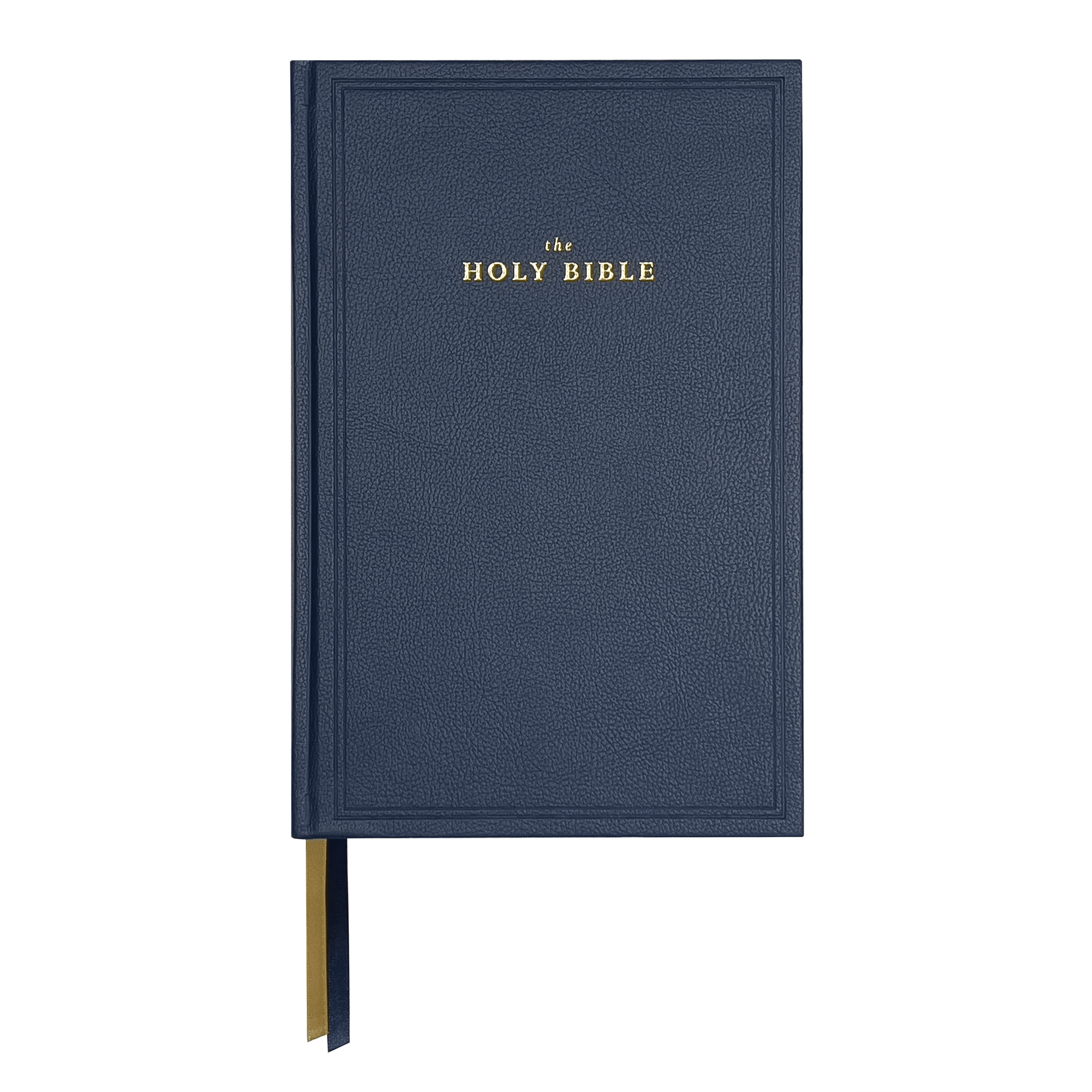
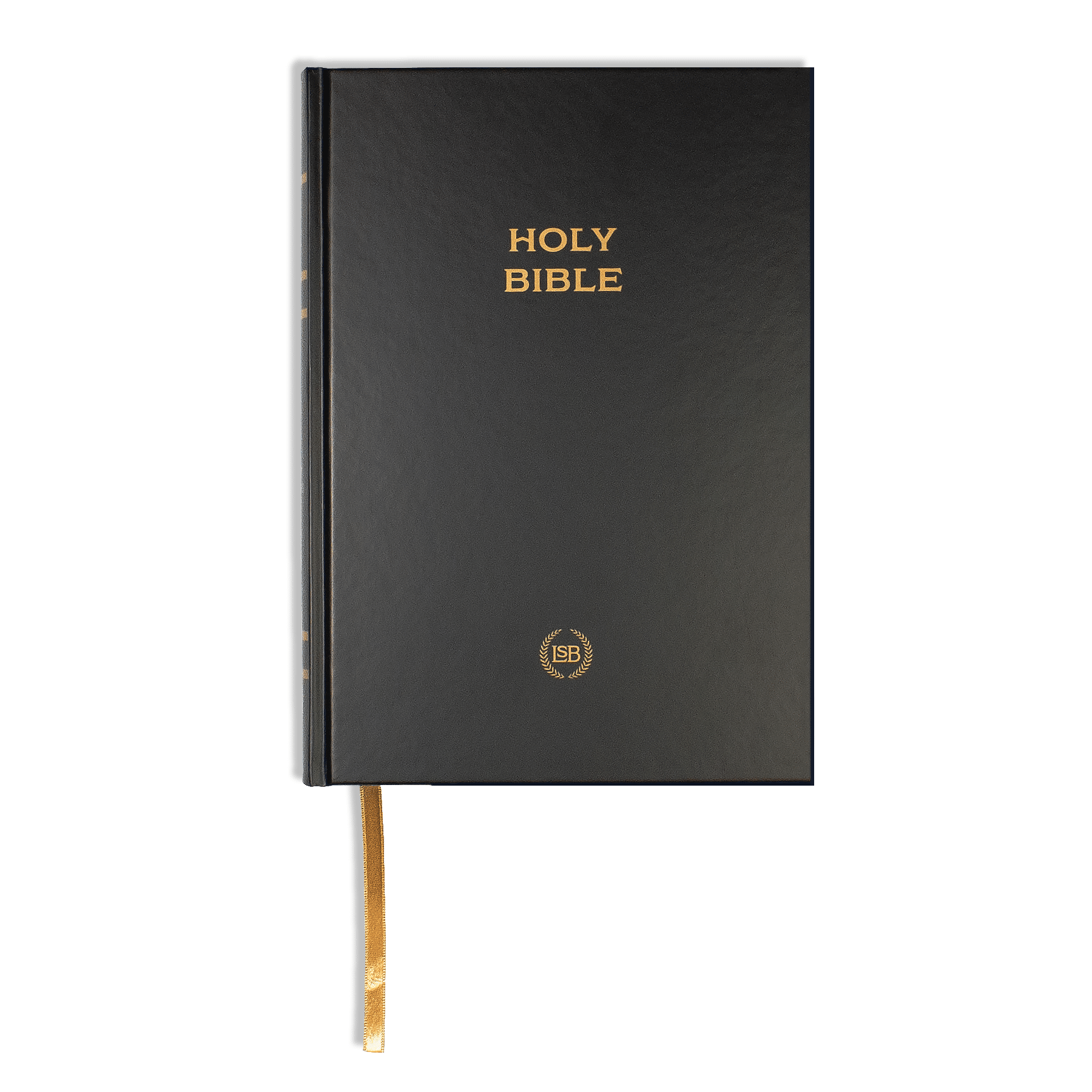
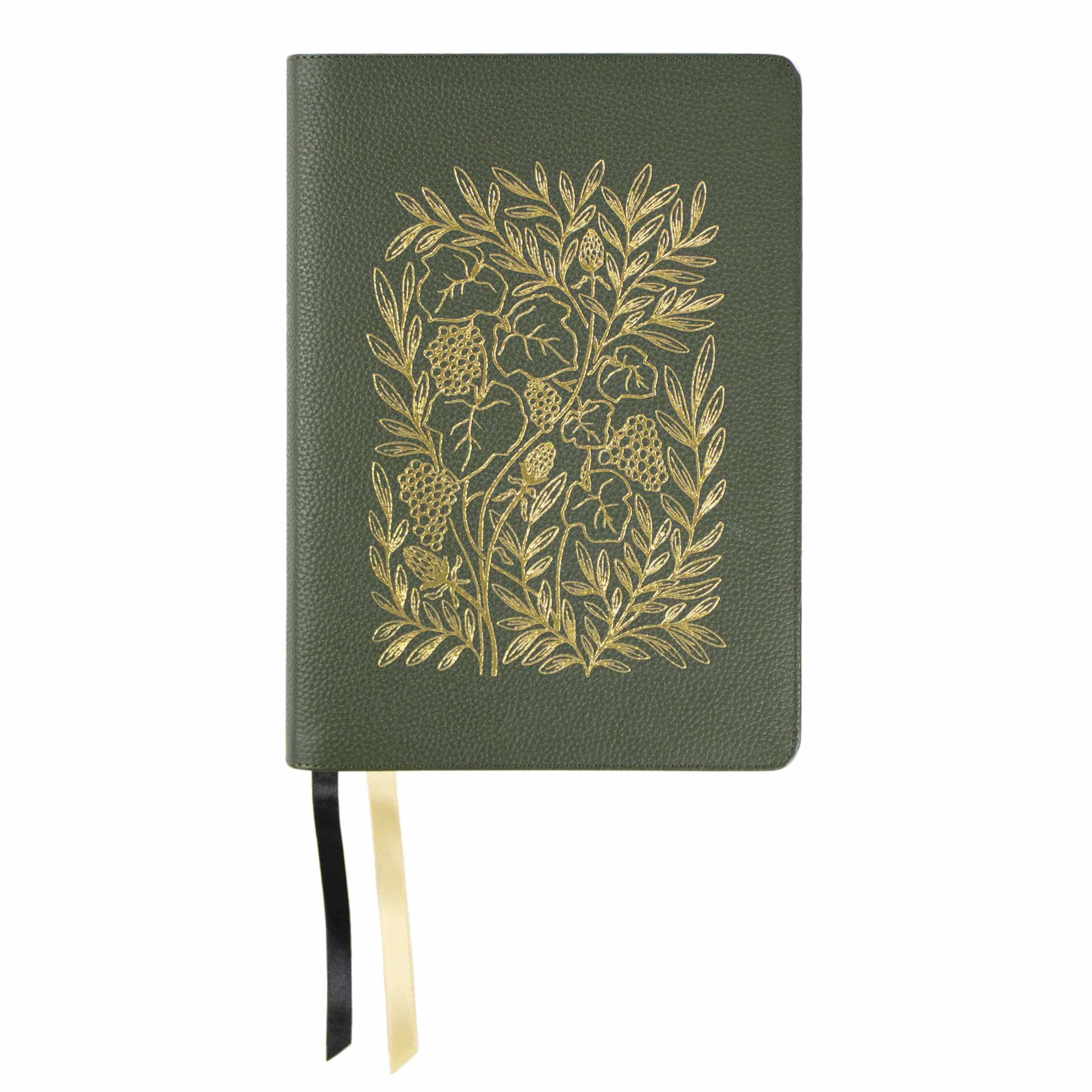
Outside Look
Flexible or hardcover options, textured wraps, and edge treatments that honor tradition while holding up to years of use.
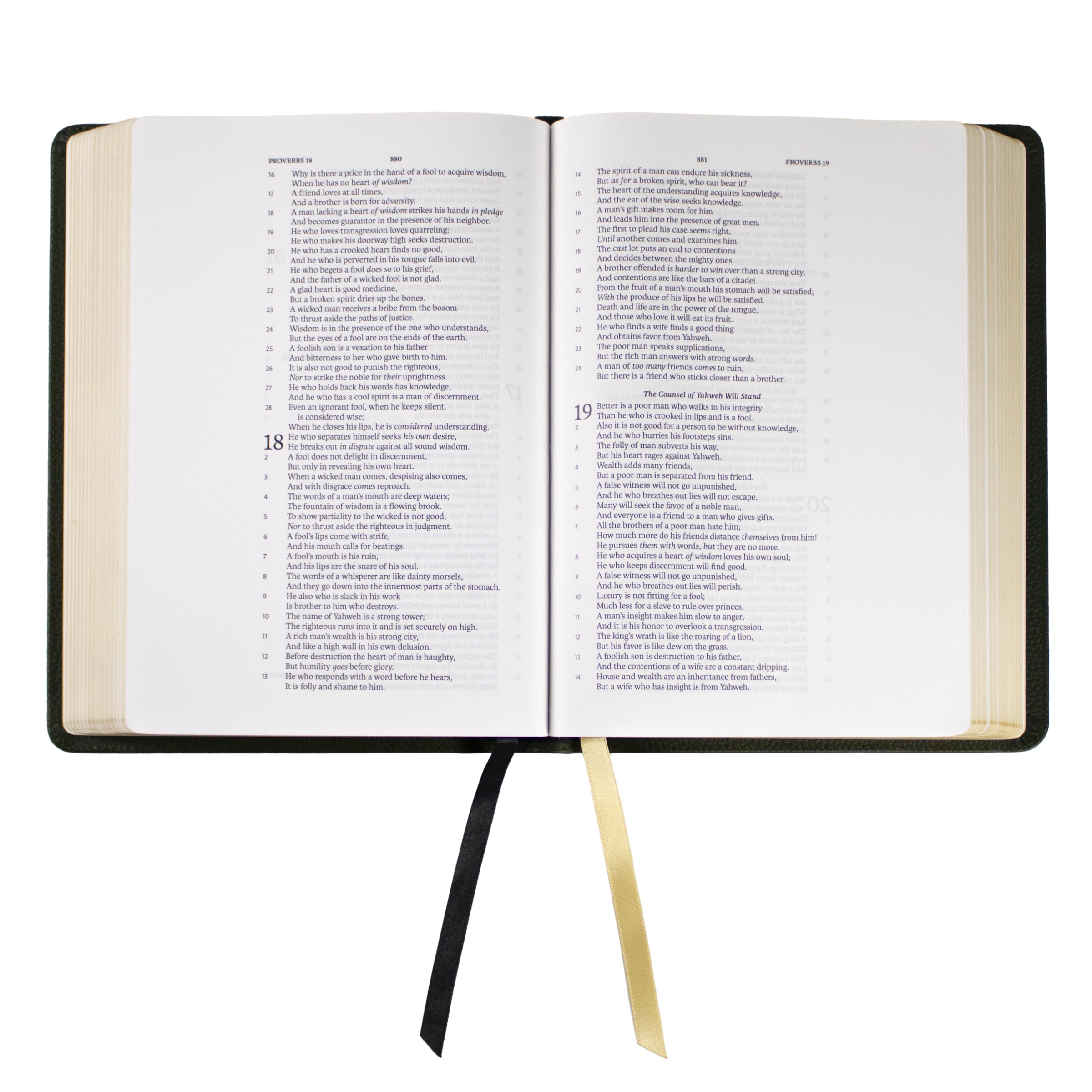
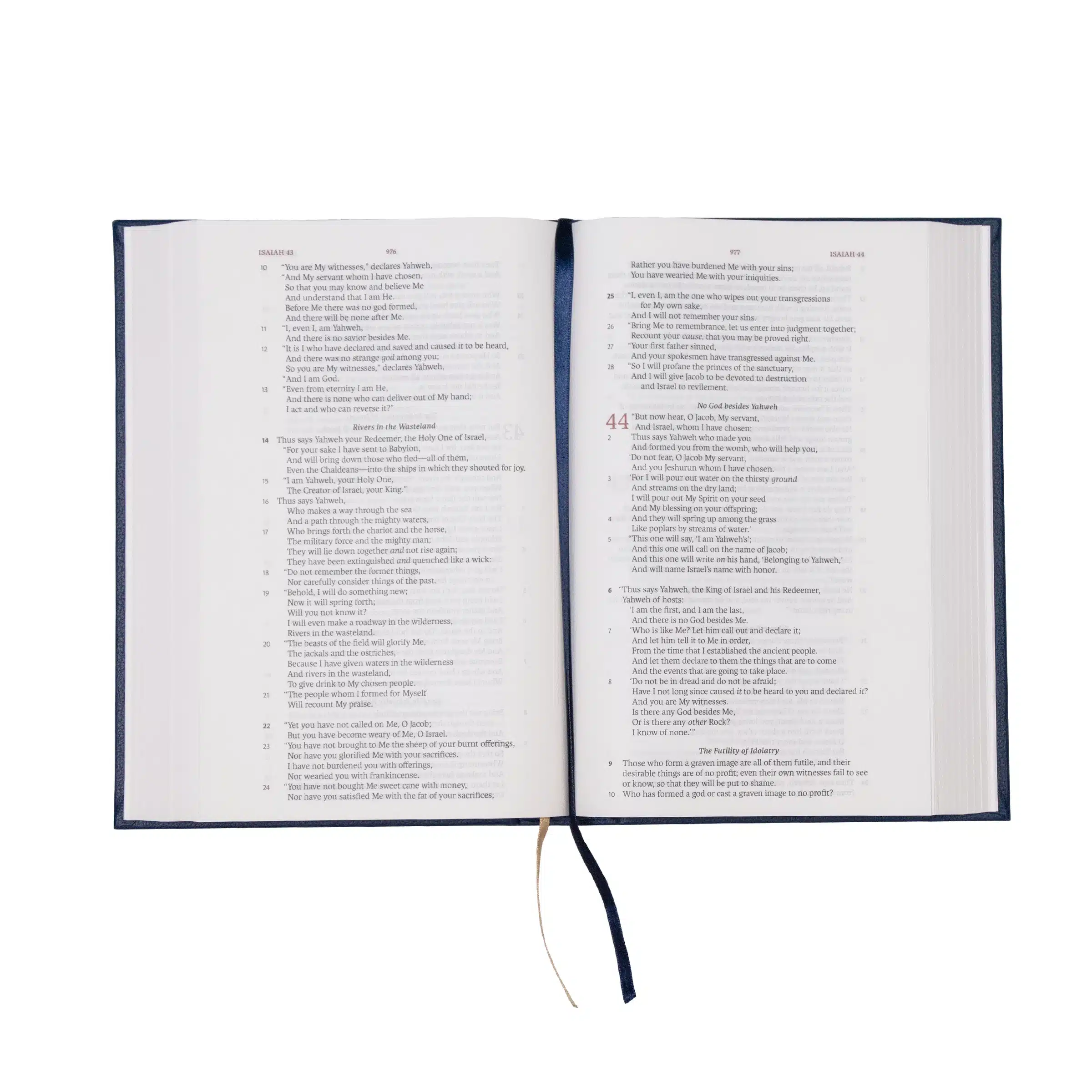
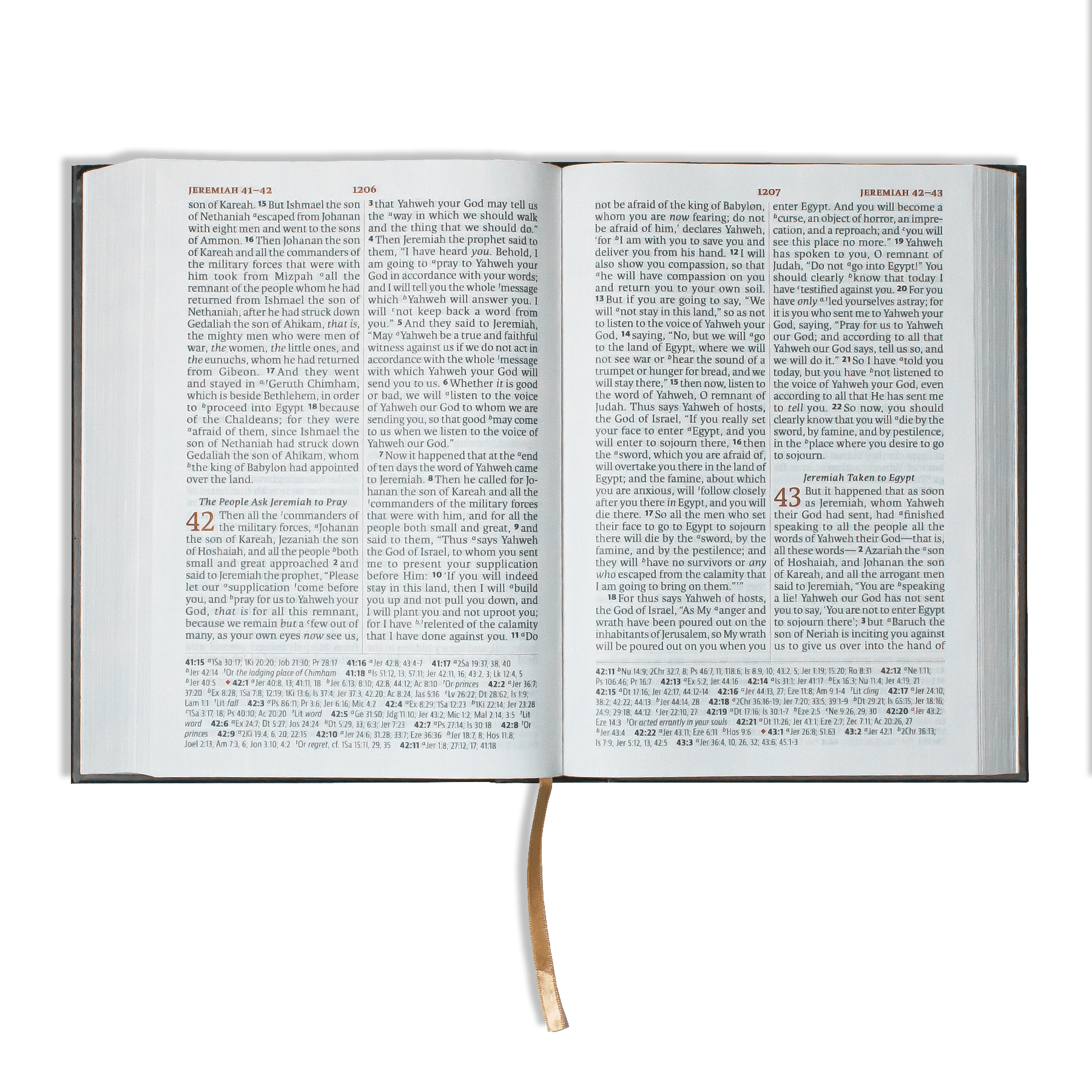
Inside Look
Thin paper, sewn bindings, ribbons, and precise typography built for daily reading and long-term durability.
Printing Bibles Articles and Resources
- The Architect’s Guide to Bible Manufacturing: Precision, Scale, and LicensingPrinting a Bible is arguably the most complex task in the manufacturing world. Between the specialized thin Bible paper, the intricate Smyth-sewn binding, and the legal necessity of copyright licensing, there is no room for error. For Bible publishers, overseas manufacturing—specifically in Asian countries—offers the only viable way to achieve “Premium” quality at a sustainable… Read more: The Architect’s Guide to Bible Manufacturing: Precision, Scale, and Licensing
- The Nashville Standard: Why Local Publishers are Moving Bible Printing OverseasFor Nashville-based publishers and ministries, domestic printing often creates a choice between quality and cost. By leveraging specialized overseas manufacturing, publishers can access premium materials like thin Bible paper and Smyth-sewn bindings at at substantial cost-savings or significant lower cost, all while maintaining local oversight through our Nashville-centric support. Key Takeaways: The Nashville Bible Publishing… Read more: The Nashville Standard: Why Local Publishers are Moving Bible Printing Overseas
- What Makes Bible Printing Different (and Why It Matters)Not all books are created equal.And when it comes to printing, Bibles sit in a category of their own. Bible printing requires a level of precision, durability, and respect for the content that goes beyond standard book manufacturing. Understanding these differences is essential before choosing an overseas printing partner. Why Bible Printing Is a Specialized… Read more: What Makes Bible Printing Different (and Why It Matters)