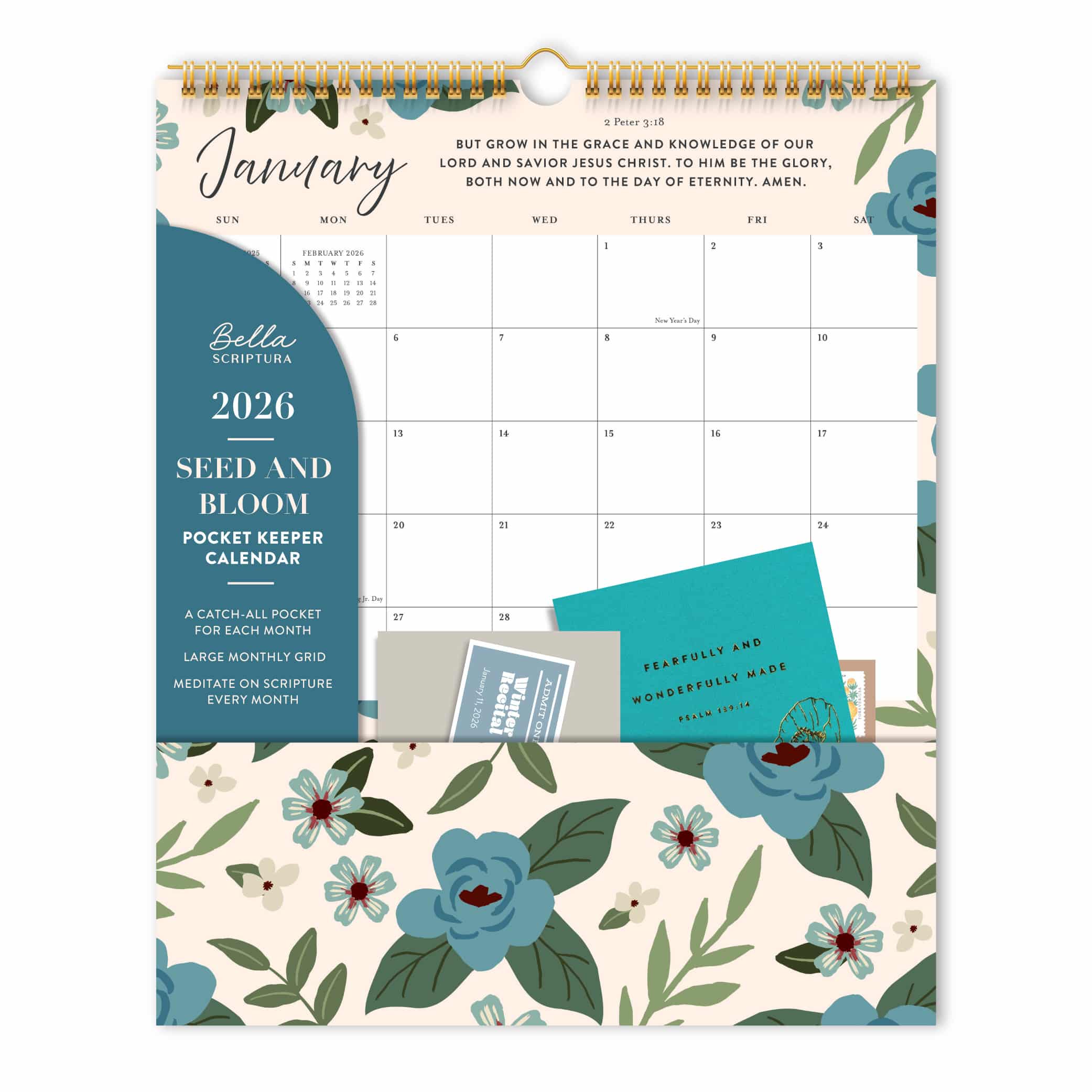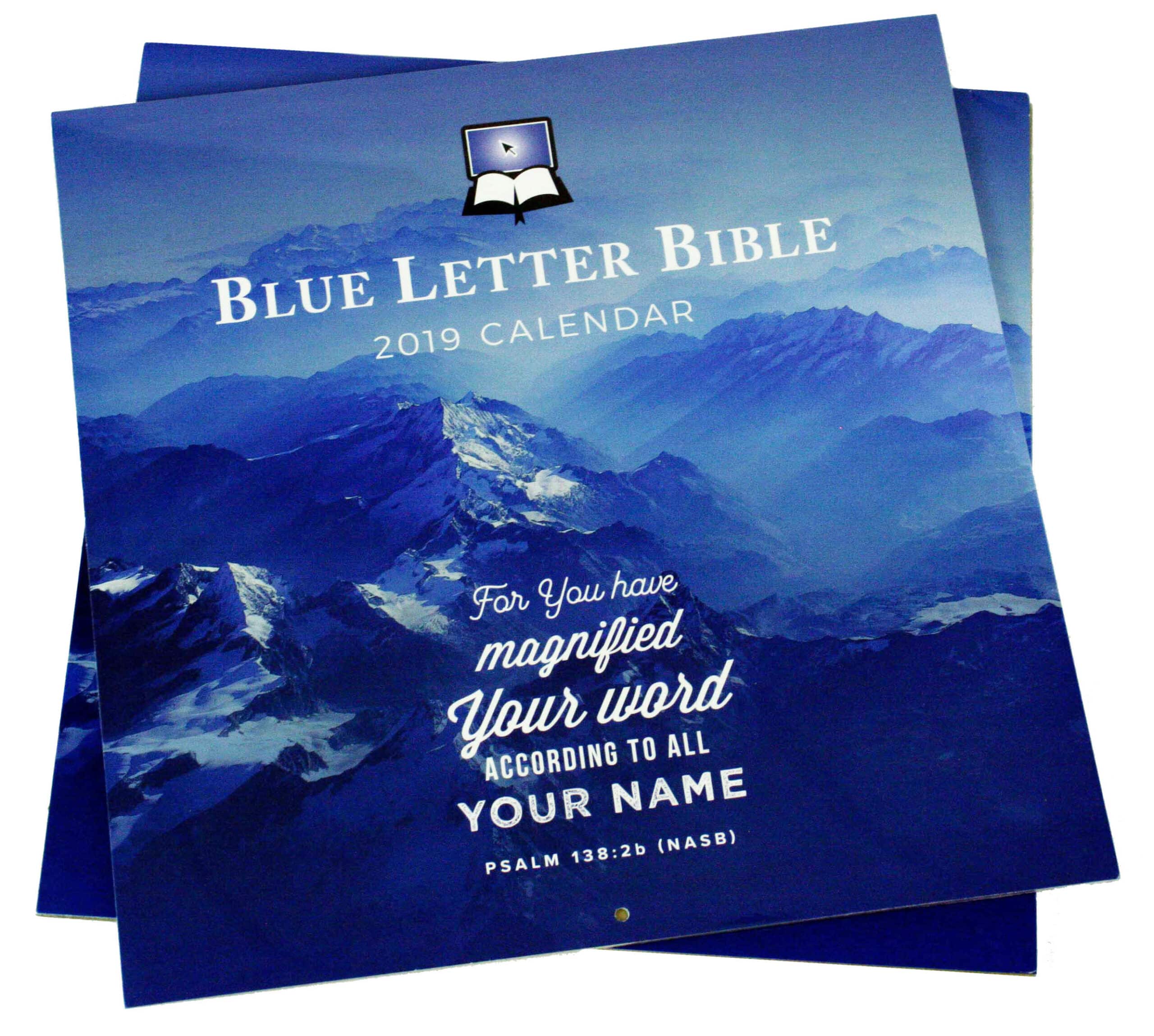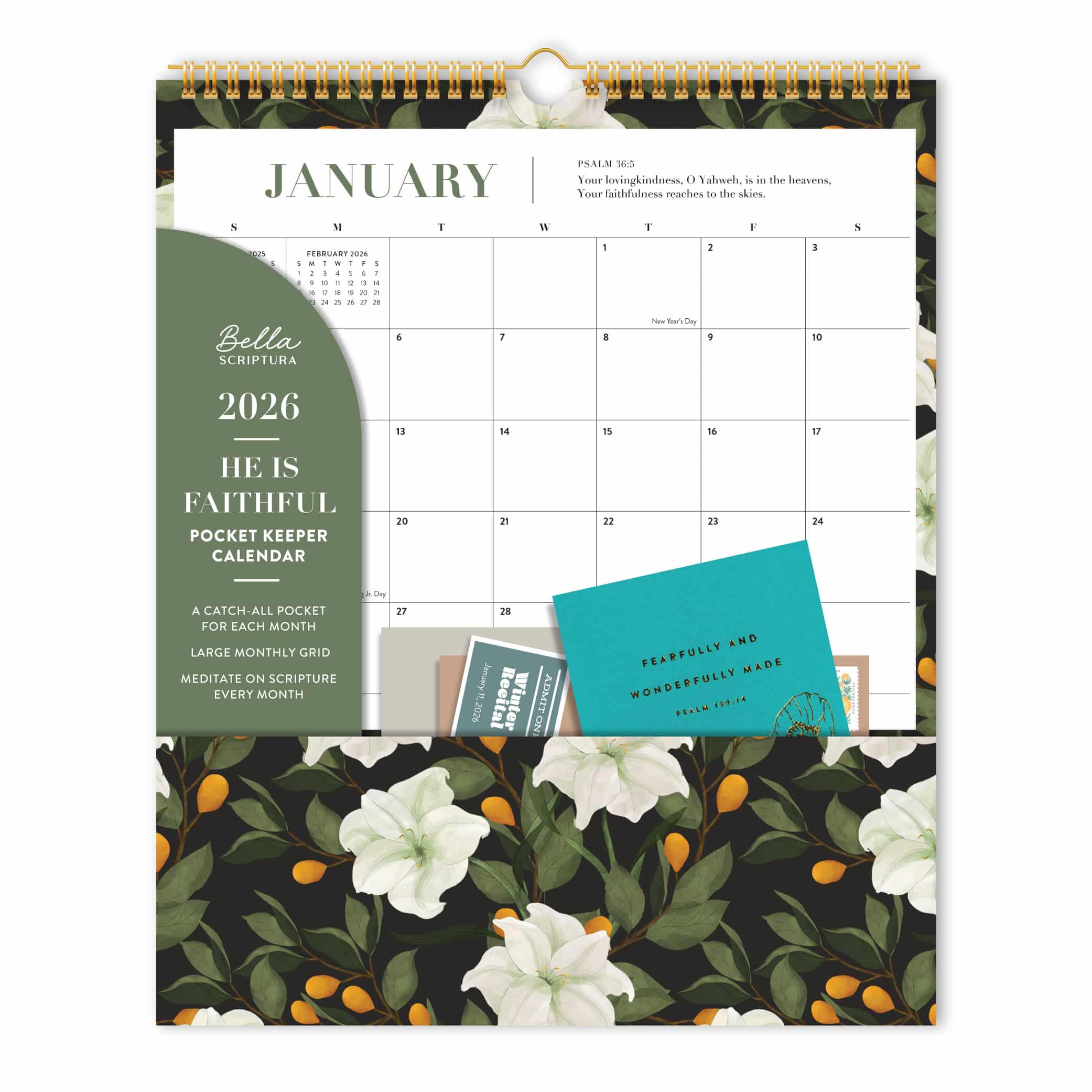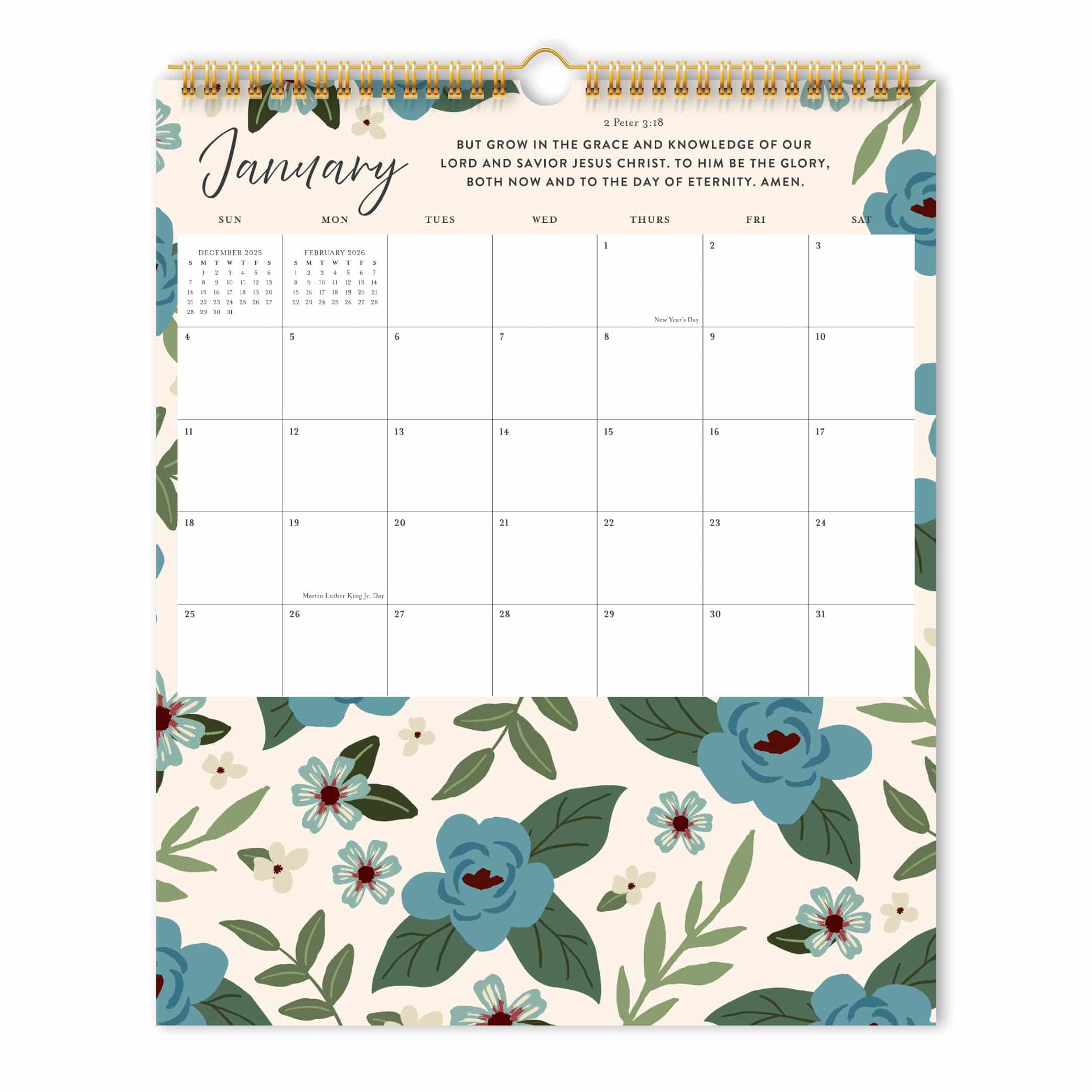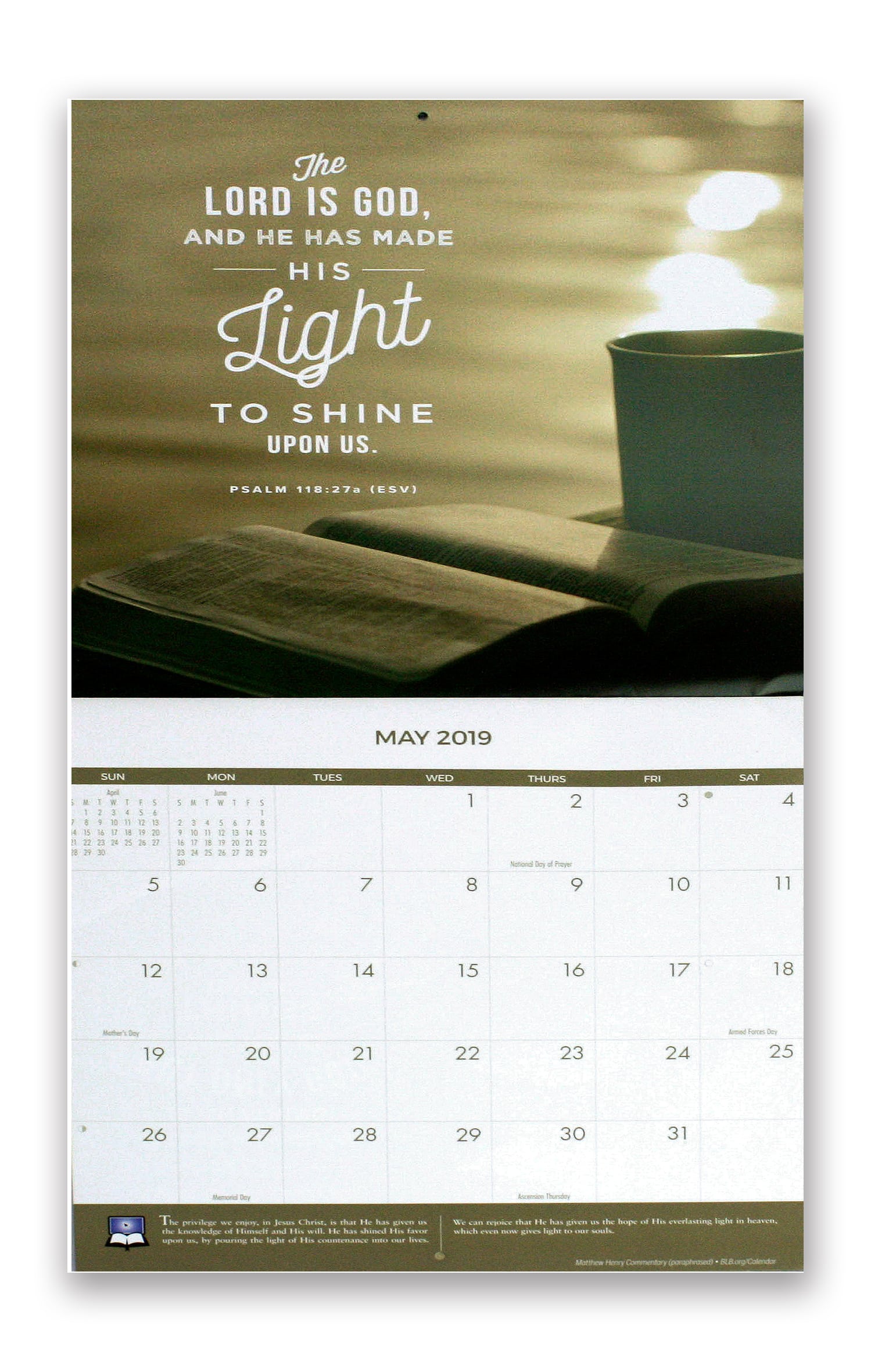
Calendars are unlike any other printed product.
They are:
If a calendar arrives late—or contains an error—it loses much of its value. That makes calendar printing a discipline built around precision, scheduling, and coordination.
Wall calendars must stay flat, readable, and intact for twelve months.
Production considerations include:
Durability matters because wall calendars are exposed constantly.
Desk calendars must balance visibility and footprint.
Key features often include:
Poor construction results in calendars that tip, sag, or wear prematurely.
Calendar paper must support:
Common choices include heavier coated stocks or uncoated papers selected to reduce reflection under office lighting.
Calendar projects are often printed in large quantities within narrow windows.
Overseas manufacturing allows:
When timelines are planned correctly, overseas printing supports both margin and quality.

Yes—when planning starts early and timelines are respected.
Wire-O binding with a center hang hole is the most common and reliable.
Yes. Covers, layouts, and formats can be customized while maintaining production efficiency.
Reprints are possible, but late-season reprints often miss the useful window.
Clarify purpose, audience, and distribution timing
Lock layouts, dates, and materials early
Execute manufacturing and delivery with strict timeline control