Journal Printing That Feels Personal, Durable, and Intentional
Overseas manufacturing for journals designed to be written in, carried, kept, and revisited—crafted with attention to materials, binding, and experience.
Journals Are About Experience, Not Just Pages
Journals are deeply personal objects. They’re not skimmed or referenced—they’re lived in. Over time, a journal becomes a record of thought, prayer, planning, creativity, or reflection.
That makes journal printing fundamentally different from most other printed products. The success of a journal depends on how it feels in the hand, how it opens, how it holds up, and how inviting it is to write in again and again.
For more than 40 years, journals have been one of our specialties, and we’ve partnered with clients to create versions that are both beautiful and durable.
What Makes Journal Printing Different
Journal manufacturing involves choices that directly affect how someone interacts with the product.
Key journal-specific considerations include:
- Cover materials that feel substantial and inviting
- Paper that performs well with pens, pencils, and markers
- Bindings that open easily and hold up over time
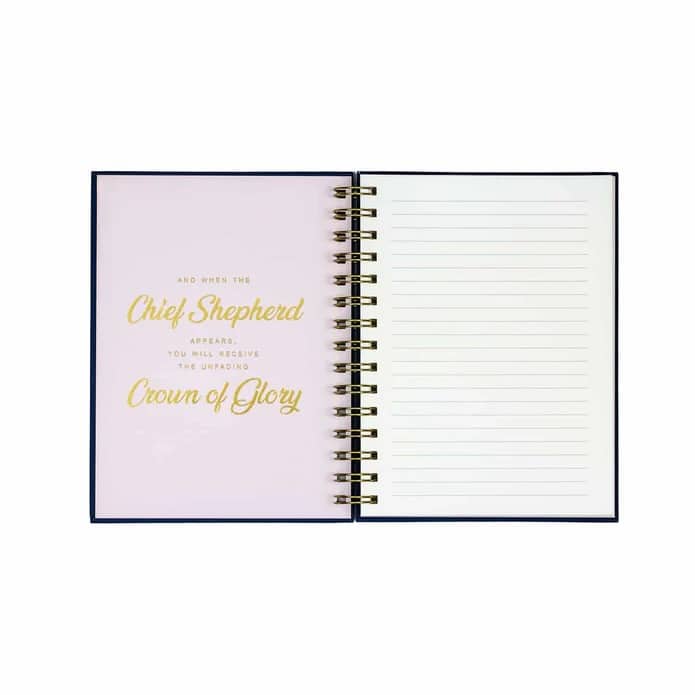
- End sheets that reinforce structure and design
- Layouts that balance white space and usability
Each decision shapes the overall experience.
Cover Design and Materials: Setting the Tone
A journal’s cover is more than protection—it’s an invitation.
Popular journal cover options include:
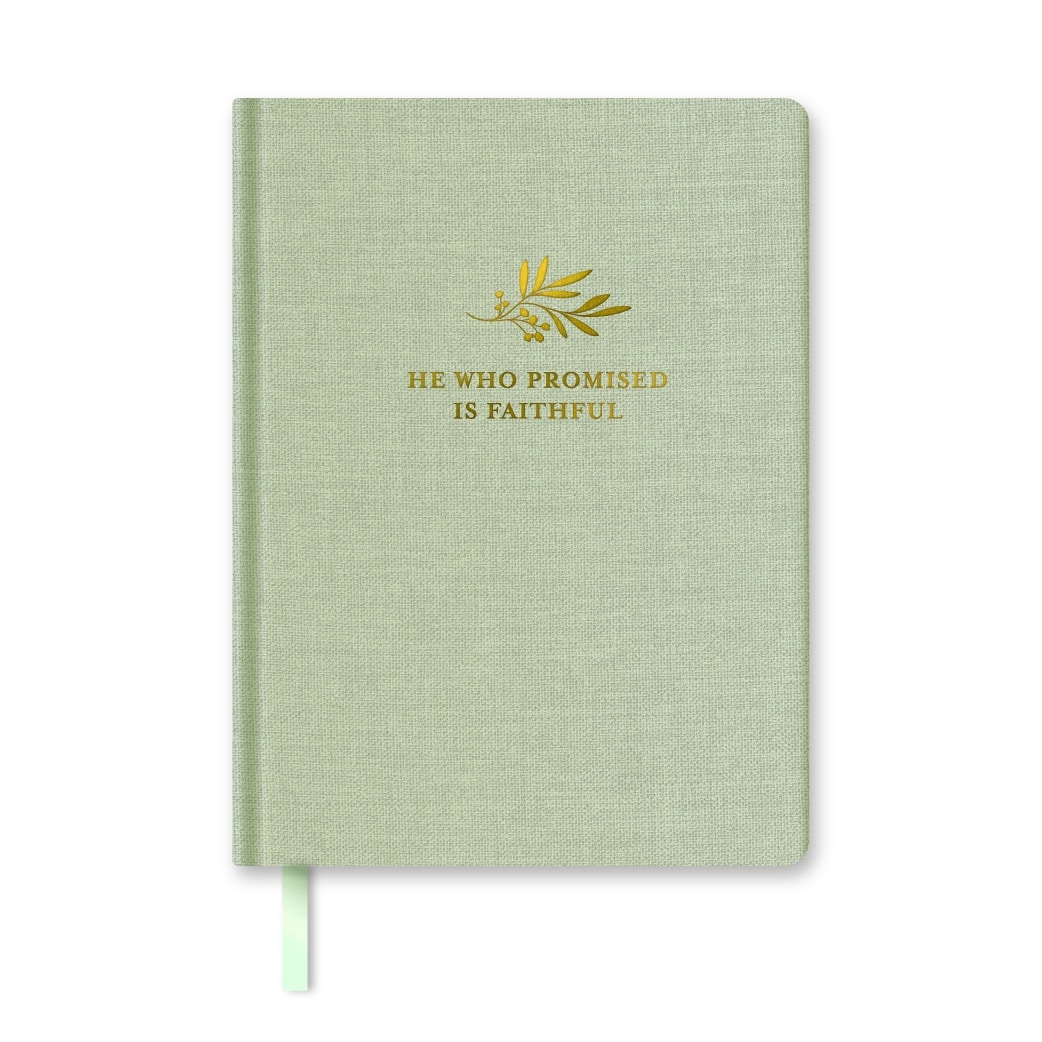
- Linen or fabric wraps
- Faux leather or soft-touch materials
- Textured paperboard with lamination
- Flexible covers for portability
- Rigid covers for structure and longevity
Cover material influences not only appearance, but how the journal ages with use.
Interior Paper: Inviting People to Write
Interior paper choice is critical in journal production.
Paper must:
- Accept ink cleanly without excessive bleed-through
- Feel pleasant under the hand
- Hold up to repeated writing pressure
- Complement the intended writing style
Paper suitable for books or planners often performs poorly in journals if not chosen carefully.
Binding: Quietly Doing the Hard Work
Journal bindings are expected to perform without drawing attention to themselves.
Common journal binding approaches include:
- Smyth-sewn bindings for durability and lay-flat use
- Case binding for premium hardcover journals
- Flexible sewn bindings for softcover formats
The right binding ensures the journal opens comfortably and lasts through extended use.
End Sheets and Structural Details
Often overlooked, end sheets play an important role in journal construction.
They:
- Reinforce the connection between cover and text block
- Add visual and tactile interest
- Improve long-term durability
Thoughtful end sheet selection elevates the finished product.

Why Overseas Printing Works Well for Journals
Journal projects often benefit from overseas manufacturing once quantities increase.
Overseas printing offers:
- Better per-unit pricing at scale
- Access to a wider range of materials
- Consistent quality across large runs
- Reliable results for reprints and future editions
When planned correctly, overseas manufacturing supports both craftsmanship and cost control.
Common Journal Printing Mistakes
We often help clients avoid issues such as:
- Covers that scuff or wear too quickly
- Paper that discourages writing
- Bindings that resist opening flat
- Overdesigned features that inflate cost
- Inconsistent quality across reprints
Most of these problems are preventable with early guidance.
Typical Journal Quantities and Timelines
Journal printing is best suited for planned production.
Most projects involve:
- Minimum quantities starting around 1,000 units per SKU
- Lead times of at least 2.5 months from finalized specs to delivery
Seasonal launches or gift-focused journals should plan further ahead.
Frequently Asked Questions About Journal Printing
Can journals feel premium when printed overseas?
Yes. Material selection and construction matter far more than location.
What paper works best for journals?
It depends on writing style and ink type. We help match paper to real-world use.
Can journals be reprinted consistently?
Yes. We document specifications to ensure future runs match previous editions.
Do you support specialty covers and finishes?
Yes. We manage textured covers, wraps, and custom finishes when appropriate.
How Journal Projects Fit Into Our Process
Journal printing follows our structured framework, tailored to experience and durability:
- Dream – Clarify purpose, audience, and usage
- Design – Define materials, binding, and layout details
- Do – Execute manufacturing and delivery responsibly
This approach ensures the final product feels intentional, not accidental.
Start Your Journal Printing Project
If you’re creating a journal and want it to feel meaningful, durable, and thoughtfully made, we’re ready to help guide the process.
Start a journal printing conversation today.
Look at the Journals We Can Help You Create
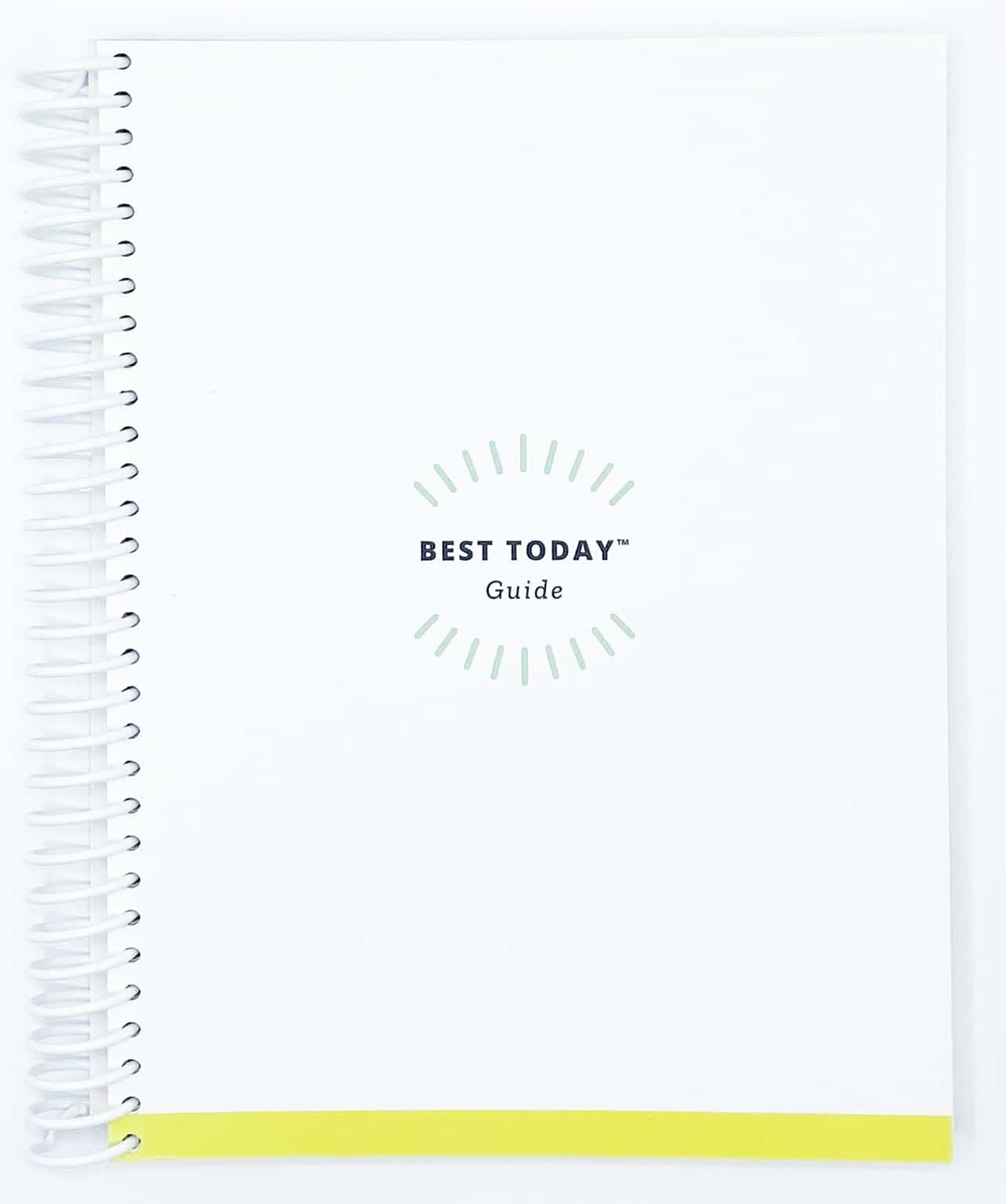
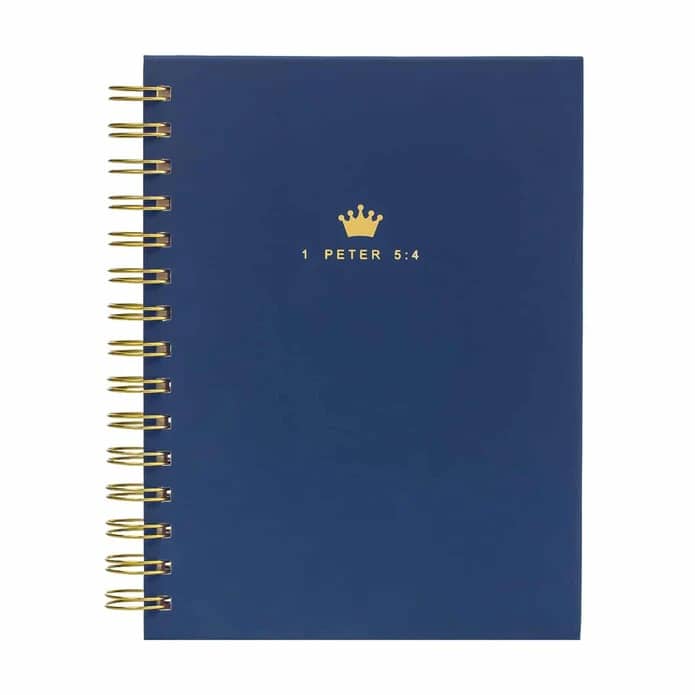
Outside Look
Clean, durable covers with quality finishes designed for daily use while maintaining a consistent, professional look across every copy.
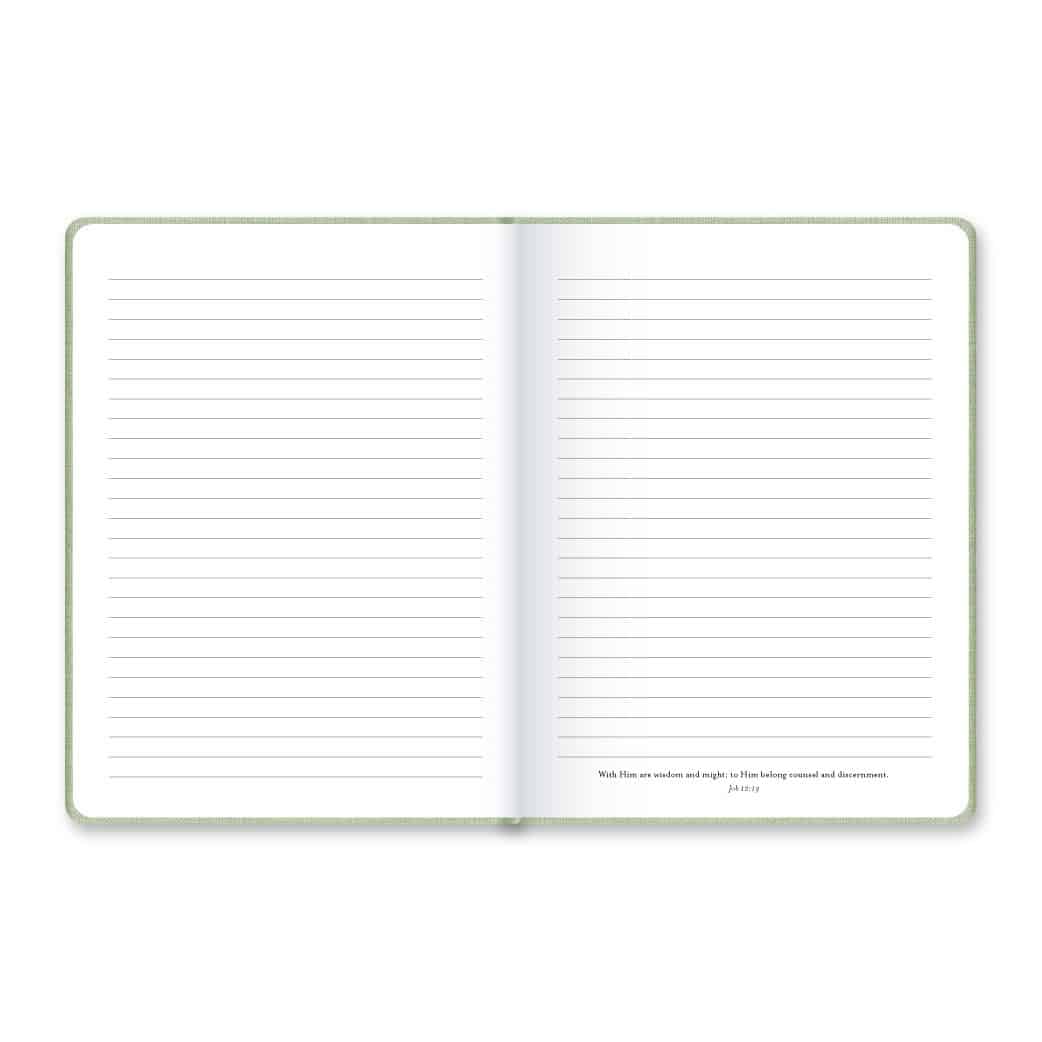
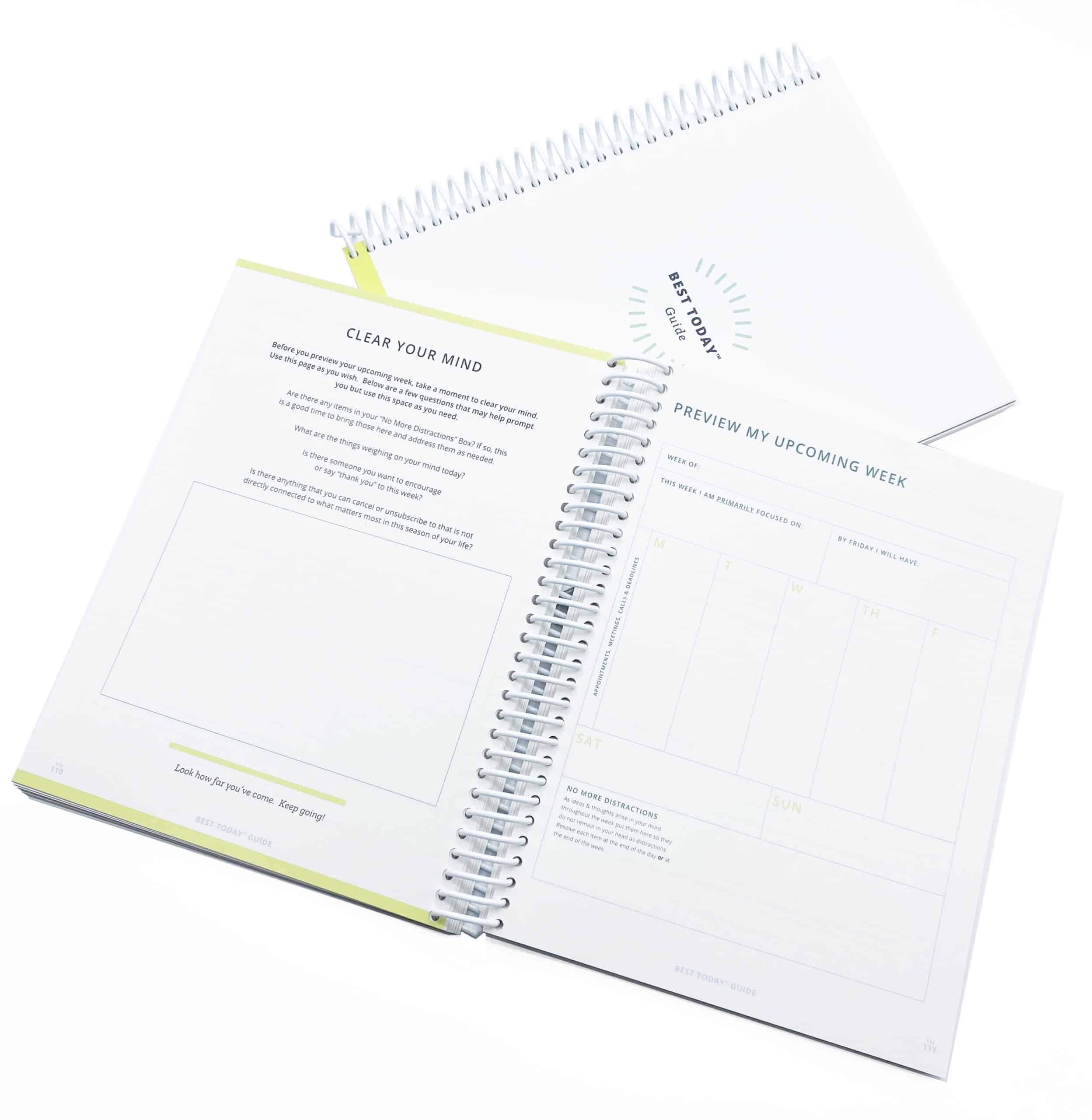
Inside Look
Smooth paper, balanced layouts, and consistent printing that make writing easy and reliable from the first page to the last.