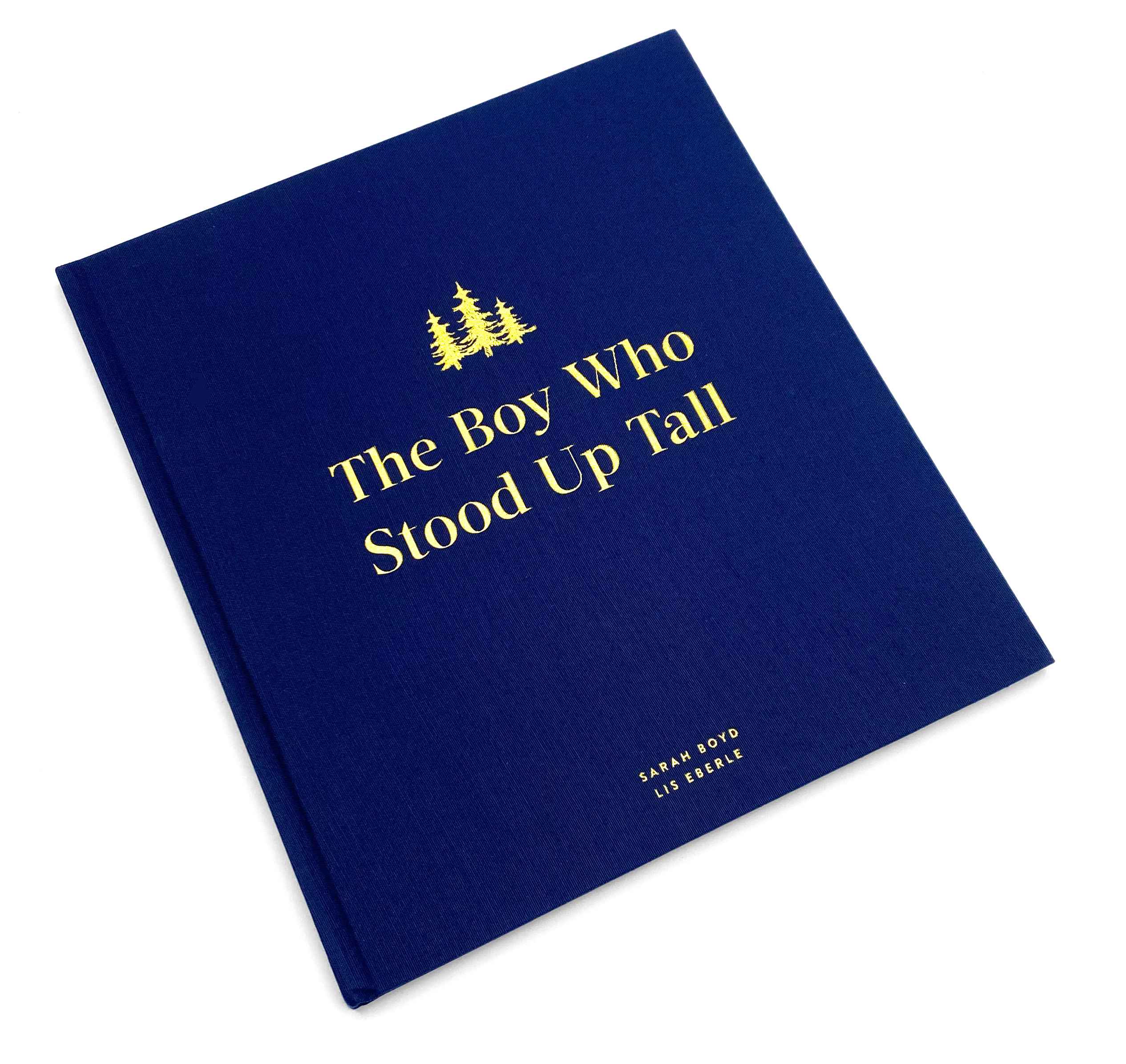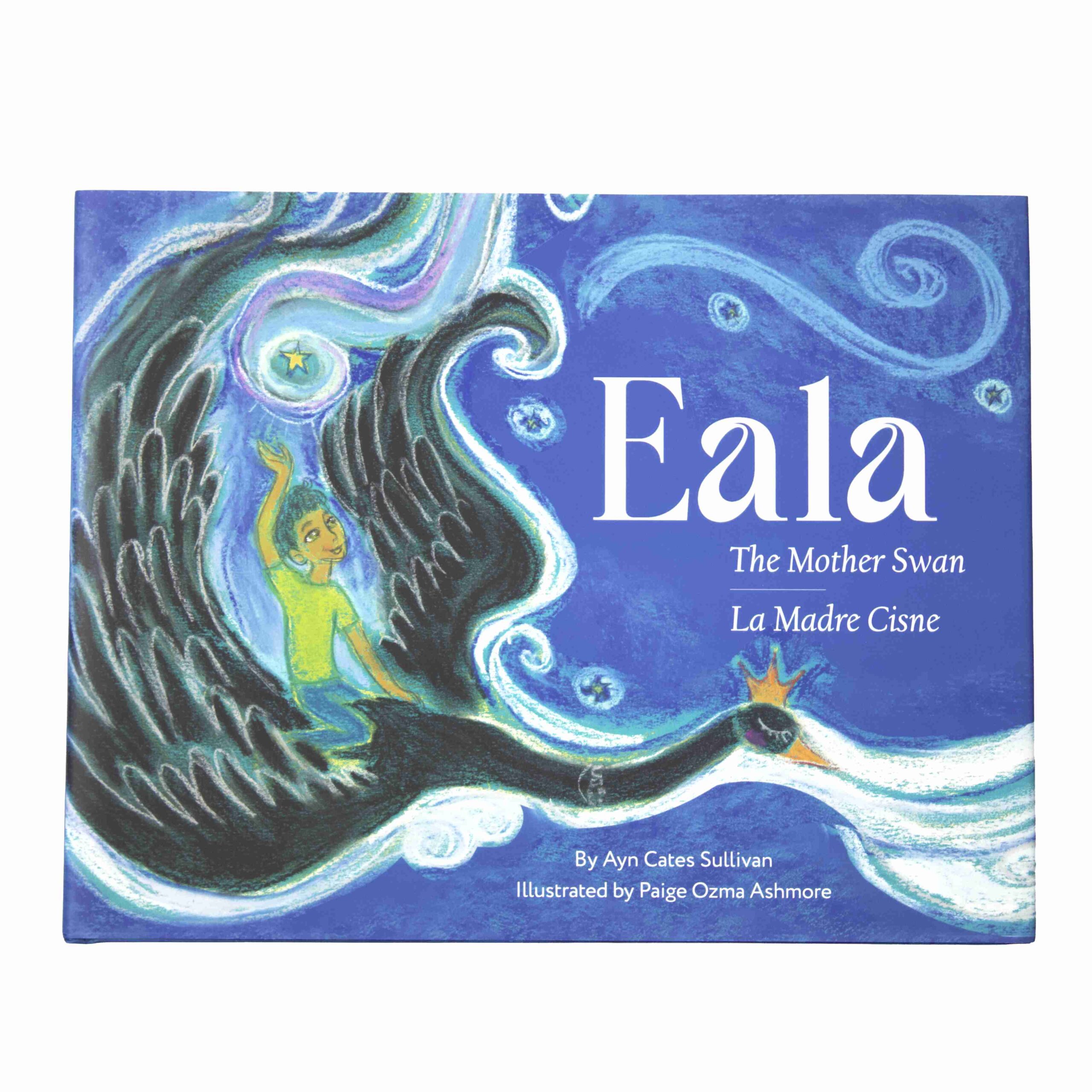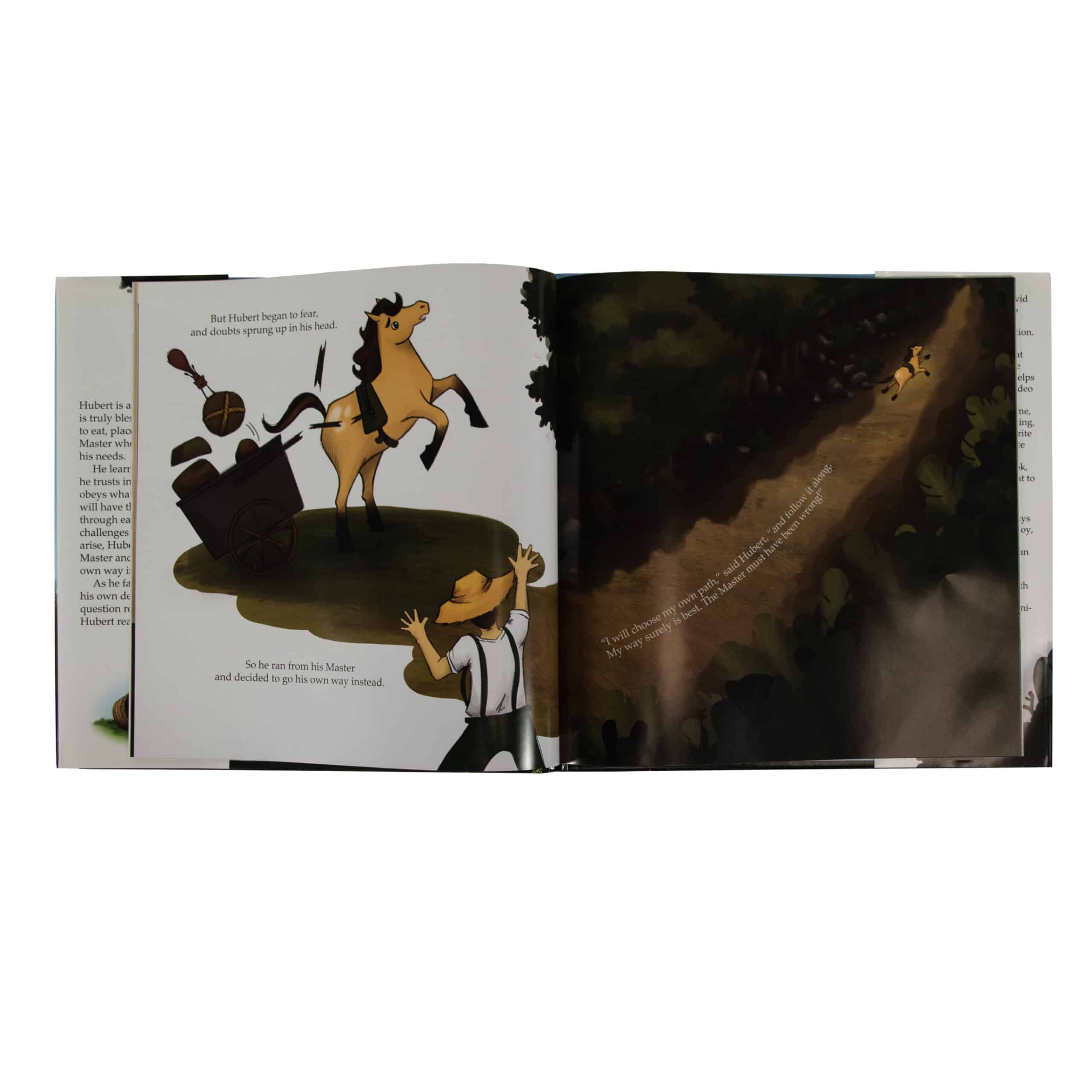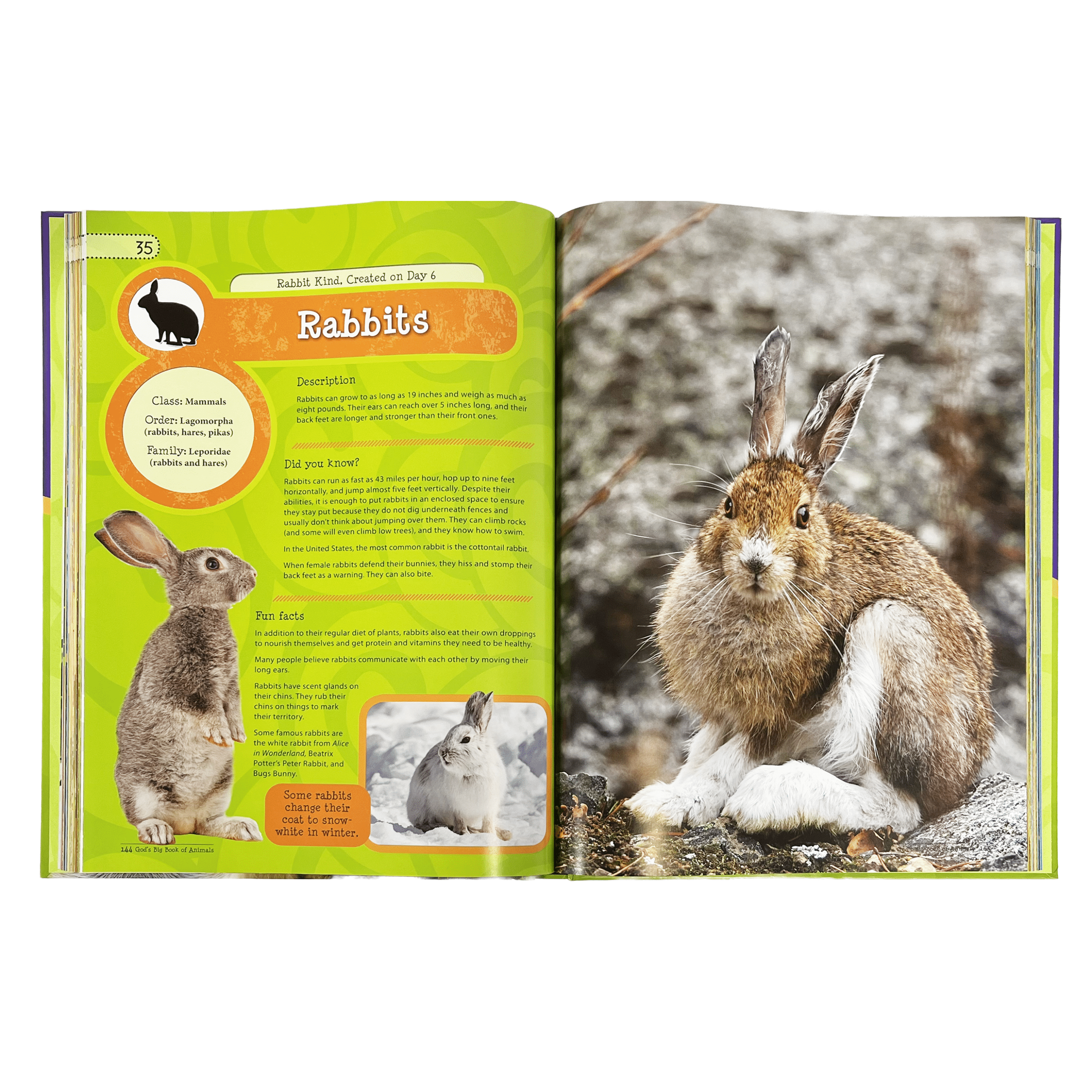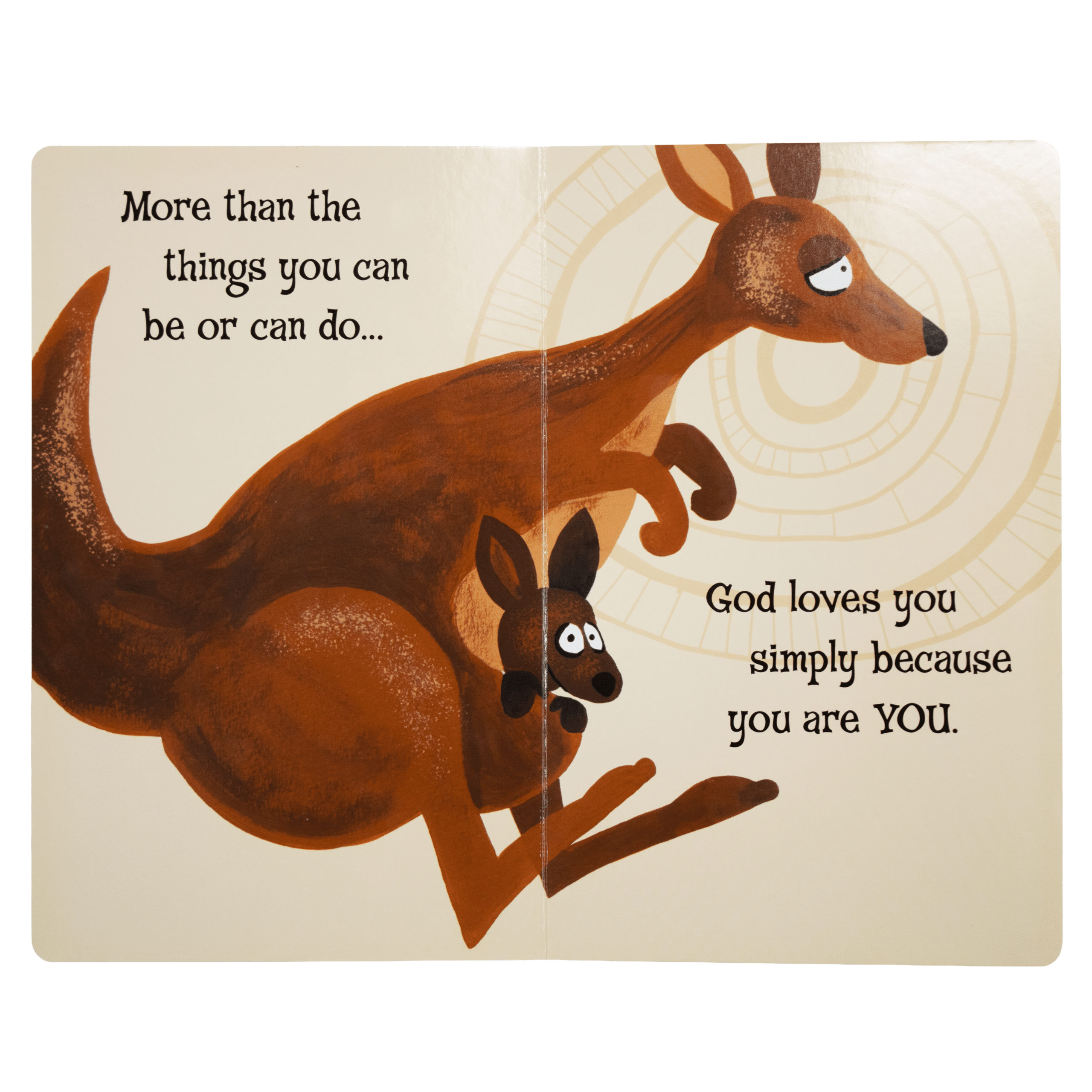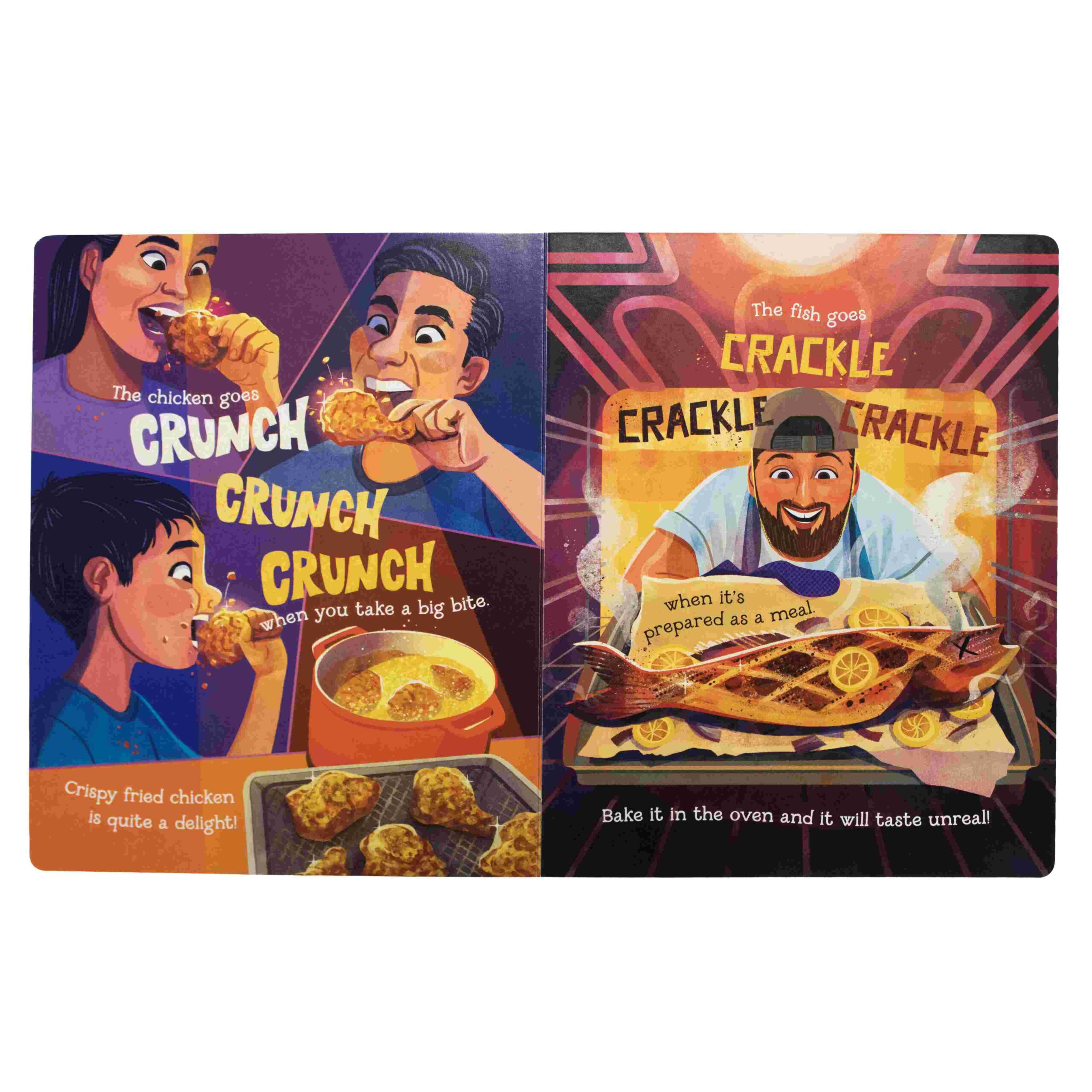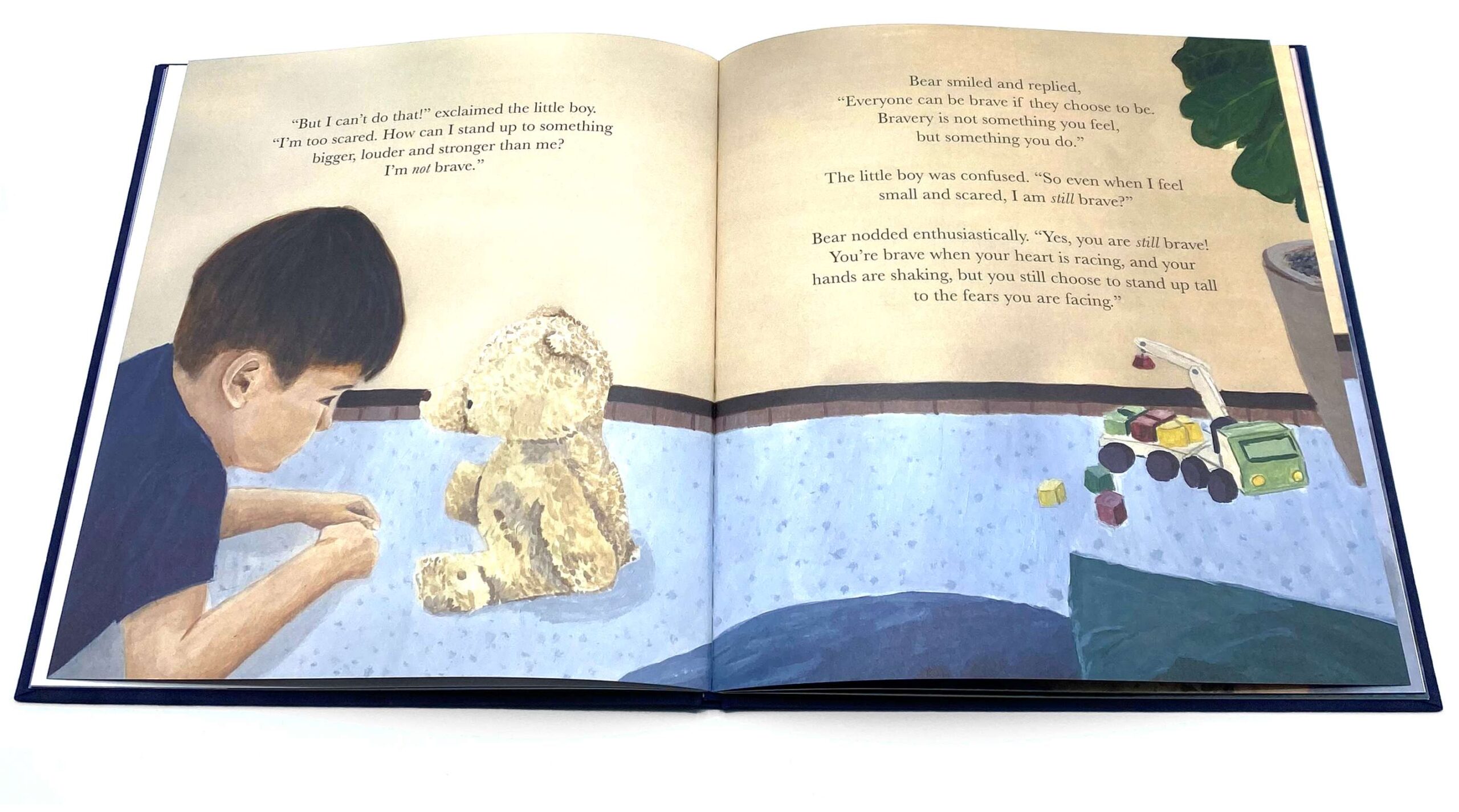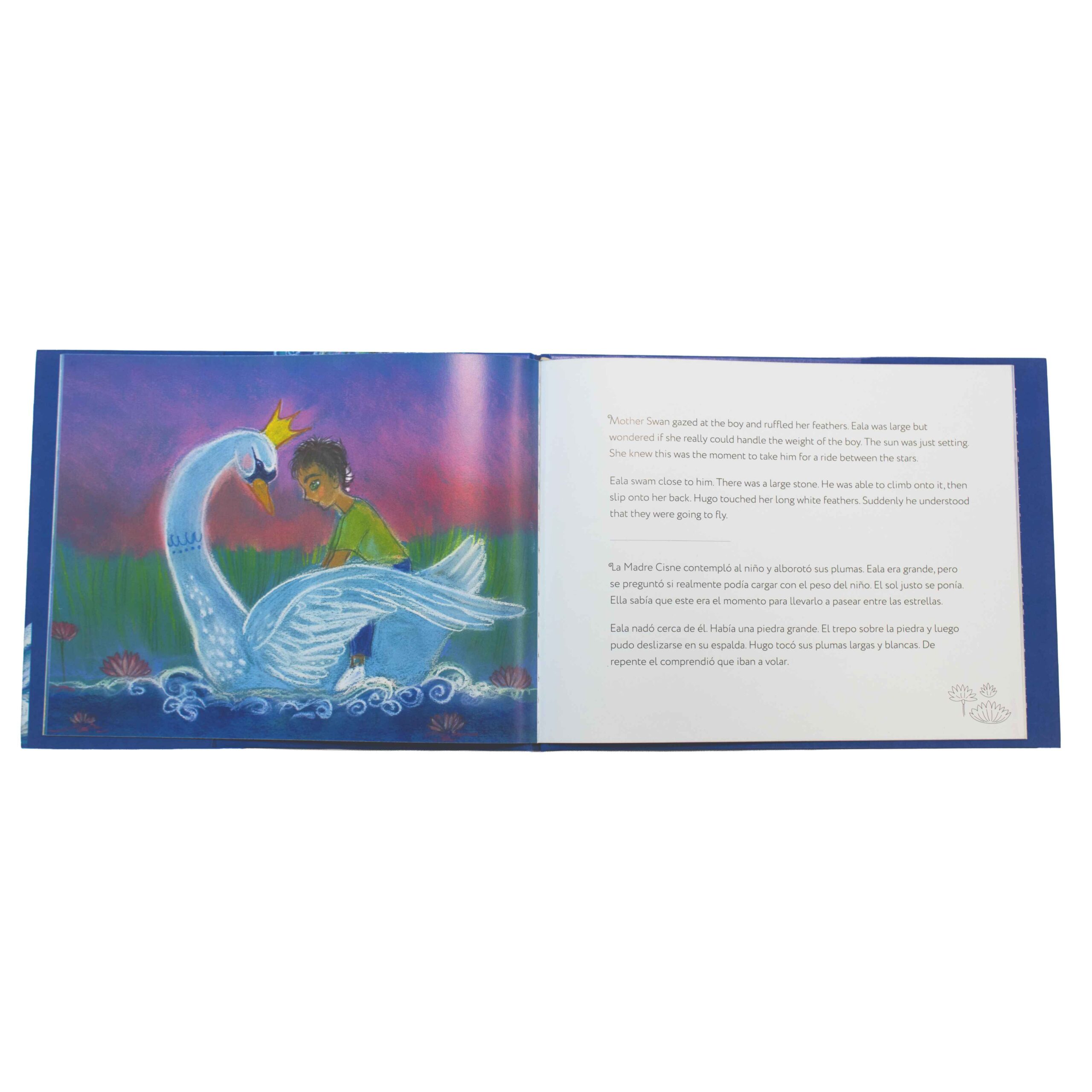
Children’s books are not gentle products.
They’re:
That means children’s book printing must prioritize durability, safety, and construction, not just appearance.
Board books, in particular, are closer to engineered products than traditional books.
Board books are designed for very young readers.
Production considerations include:
Board book manufacturing requires specialized equipment and experience.
Children’s books require materials that are both attractive and resilient.
Common material considerations:
Material selection affects safety, longevity, and print quality.
Children’s book bindings must survive repeated stress.
Common binding approaches include:
Bindings must resist page separation and spine failure over time.
Illustrations drive children’s books.
Production must ensure:
Color drift that might be acceptable elsewhere is noticeable in children’s publishing.
We often help clients avoid:
Early planning prevents costly reprints.

Yes. We work with factories experienced in children’s publishing and appropriate materials.
Board books are typically designed for infants and toddlers (0–3 years).
Yes. We support softcover, hardcover, and board book formats.
Yes. Documented specs ensure reliable reprints for successful titles.
Clarify age range, usage, and format
Define materials, binding, and safety requirements
Execute manufacturing and delivery responsibly