

One of the most important—and most misunderstood—parts of overseas printing is timing.
Organizations often underestimate how long international manufacturing and shipping actually take, which can lead to rushed decisions, higher costs, or missed deadlines.
This guide explains what a realistic overseas printing timeline looks like and why planning ahead matters.
The Short Answer
Most overseas printing projects take a minimum of 2.5 months from project start to delivery.
That timeline begins only after:
- Print-ready files are approved
- Specifications are finalized
- A purchase order is submitted
From there, production and shipping move through predictable stages.
Why Overseas Printing Takes Longer Than Domestic Printing
Overseas printing includes steps that domestic printing often does not, such as:
- International manufacturing coordination
- Ocean freight or air freight
- Customs clearance
- Port-to-door logistics
These steps add time—but they also enable scale, consistency, and cost efficiency.
Typical Overseas Printing Timeline Breakdown
While every project is different, a common timeline looks like this:
1. Planning and Specification Finalization
This stage includes clarifying requirements, finalizing specs, and approving files.
Estimated time: 1–2 weeks
Rushing this step often causes delays later.
2. Proofing and Pre-Production
Proofs are reviewed and approved before manufacturing begins.
Estimated time: 1 week
This step ensures the factory is producing exactly what was approved.
3. Manufacturing
Actual printing, binding, and finishing occur during this phase.
Estimated time: 3–5 weeks
(Varies by product complexity and quantity)
4. Freight and Shipping
Finished products are packed and shipped internationally.
- Ocean freight: More cost-effective, longer transit
- Air freight: Faster, significantly higher cost
Estimated time:
- Ocean freight: 4–6 weeks
- Air freight: 1–2 weeks
5. Customs and Final Delivery
Once shipments arrive in the destination country, they clear customs and are delivered to their final location.
Estimated time: 1 week
What Can Extend the Timeline
Several factors can add time if not planned for:
- Incomplete or changing specifications
- Late file revisions
- Peak production seasons
- Material sourcing delays
- Port congestion or customs issues
Most of these risks are manageable with early planning.
How to Shorten Timelines (Without Cutting Corners)
While overseas printing can’t be rushed indefinitely, timelines can be optimized by:
- Finalizing specs early
- Approving files promptly
- Planning around known deadlines
- Choosing air freight when necessary
- Working with experienced partners
Good planning reduces surprises more than speed ever could.
Why Realistic Timelines Save Money
Compressed timelines often lead to:
- Air freight instead of ocean freight
- Premium production scheduling
- Limited material flexibility
Planning ahead is one of the most effective ways to control overseas printing costs.
Who Overseas Printing Timelines Work Best For
Overseas printing is best suited for organizations that:
- Can plan several months ahead
- Are printing at scale
- Value consistency and durability
- Prefer predictability over urgency
If a project is already behind schedule, overseas printing may not be the best option.
Next Steps
If you’re working toward a launch date, event, or distribution deadline, the best next step is to work backward from that date and plan accordingly.
Understanding timelines early leads to smoother production and better results.
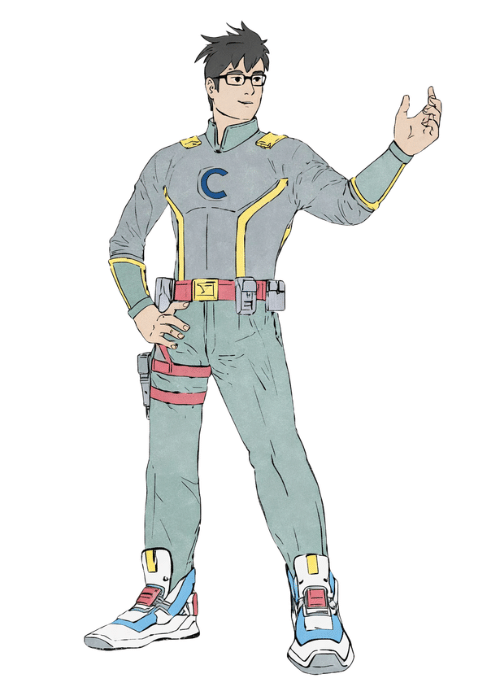
CODRAMAN IS YOUR GUIDE TO OVERSEAS PRINTING
Have questions about overseas printing, shipping, or timelines? Get clear answers before you print.
- Tell Us What You’re Printing – Share your project details and we’ll help you decide the best overseas path.
- Global Printer Network – We partner with a select group of printers to guarantee consistent quality and cost-efficiency for every job.
- Built-In Quality Check – Proofs, samples, and clear specs before anything goes to full production.
- Start-to-Finish Oversight – From files to freight, we stay with your project the whole way.