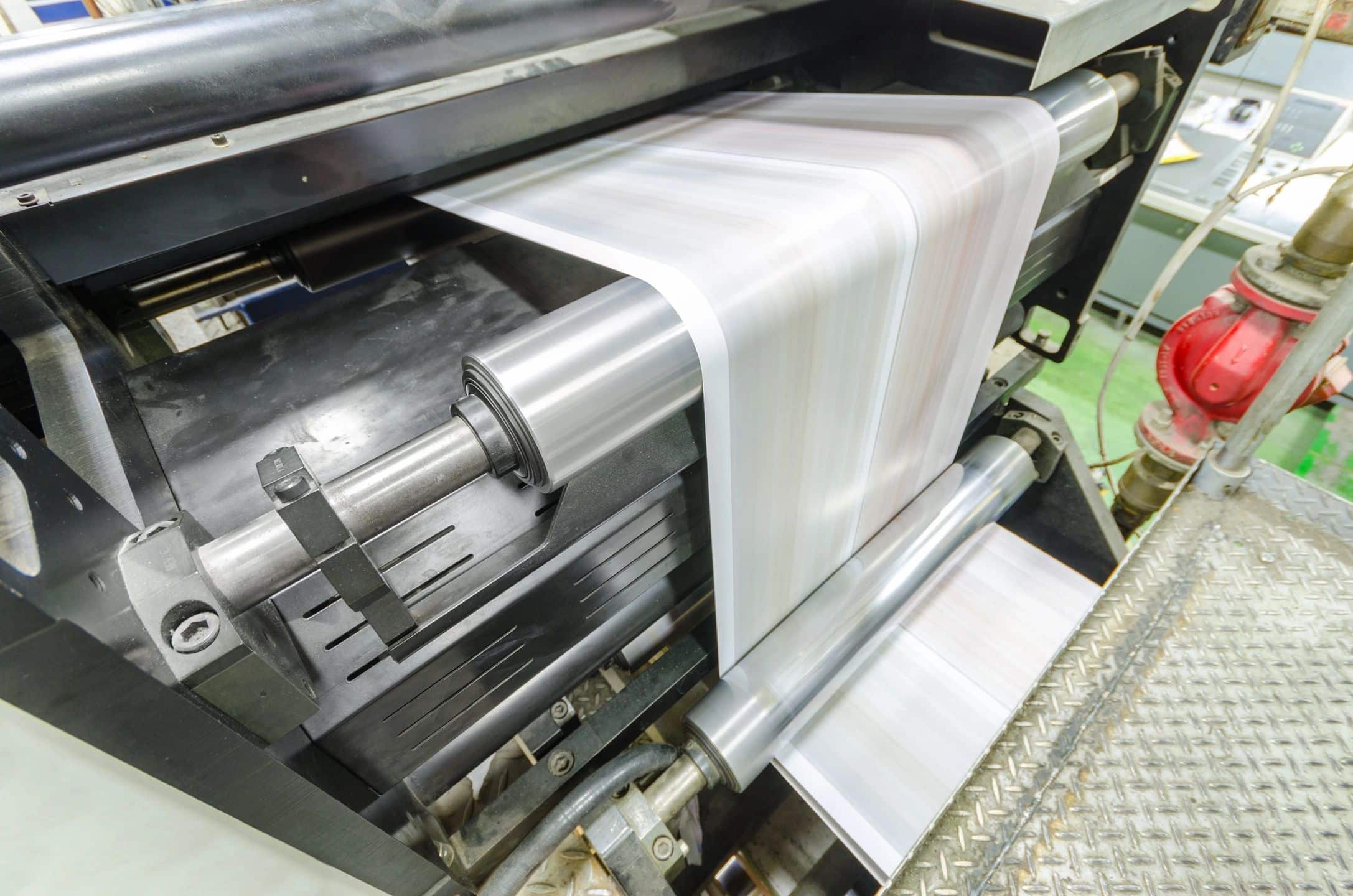
Cookbooks aren’t display pieces. They’re used in kitchens—opened with one hand, splashed with water or oil, stacked near stoves, and flipped through fast. They need to survive real life.
That makes cookbook printing a craft built around durability, clarity, and usability. A good cookbook doesn’t just look good—it works when someone is cooking.
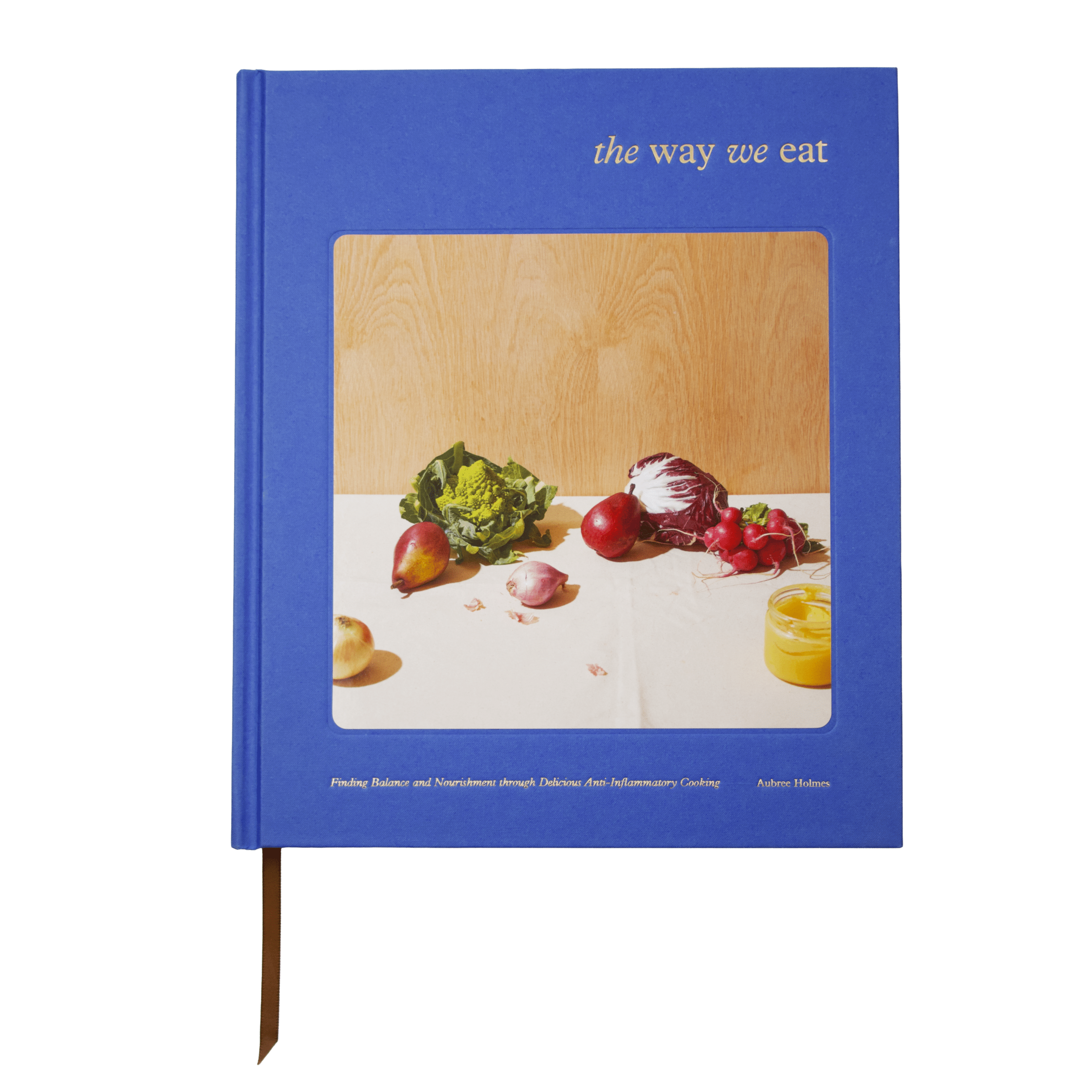
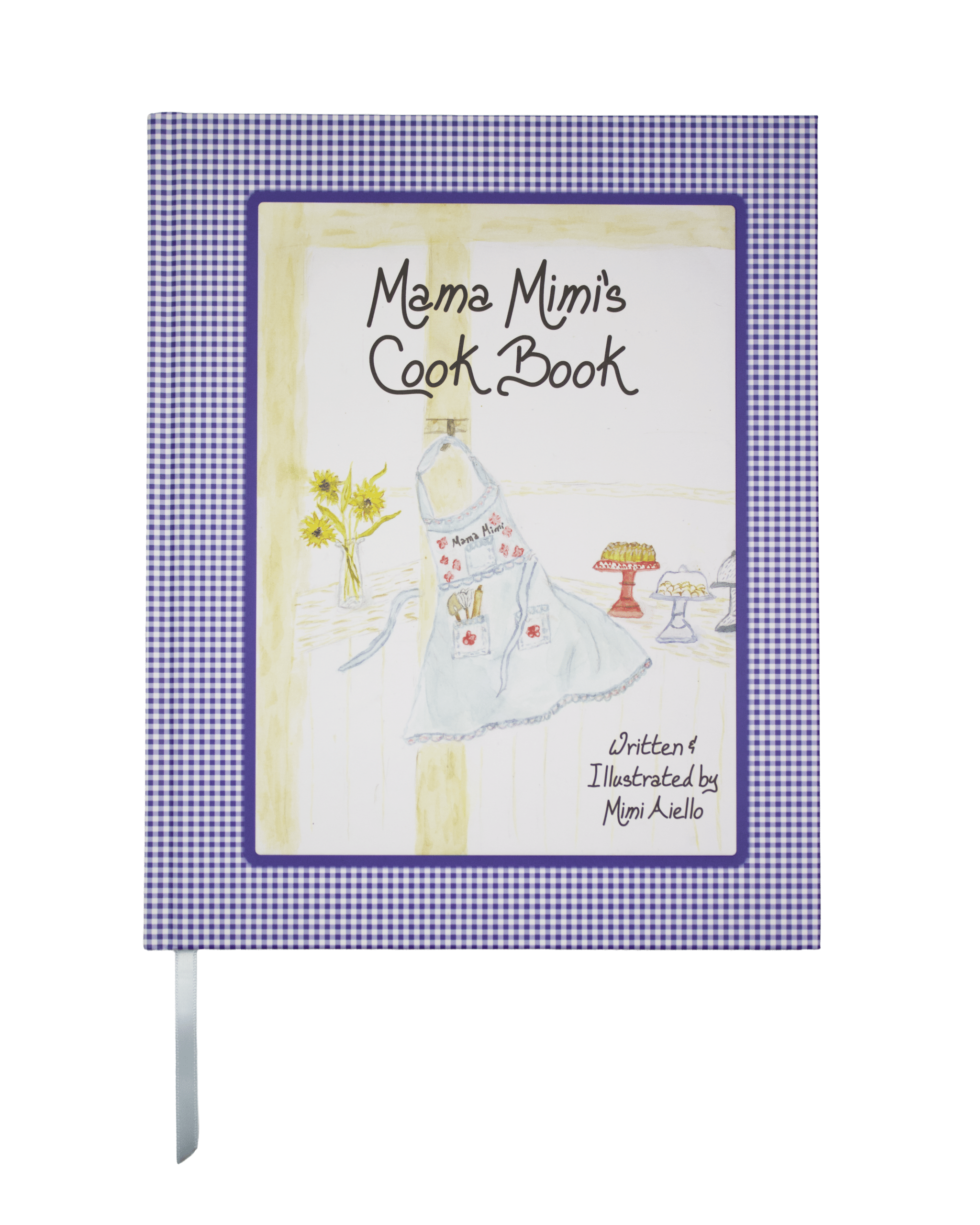
Cookbook covers need to protect what’s inside.
Popular cookbook cover options include:
Covers must resist moisture, heat, and frequent handling.
Cookbook pages must show food clearly and survive use.
Paper selection focuses on:
Paper that works for novels often fails in kitchens.
A cookbook that won’t stay open is frustrating.
Common cookbook binding methods include:
Binding choice affects how usable the book is while cooking.
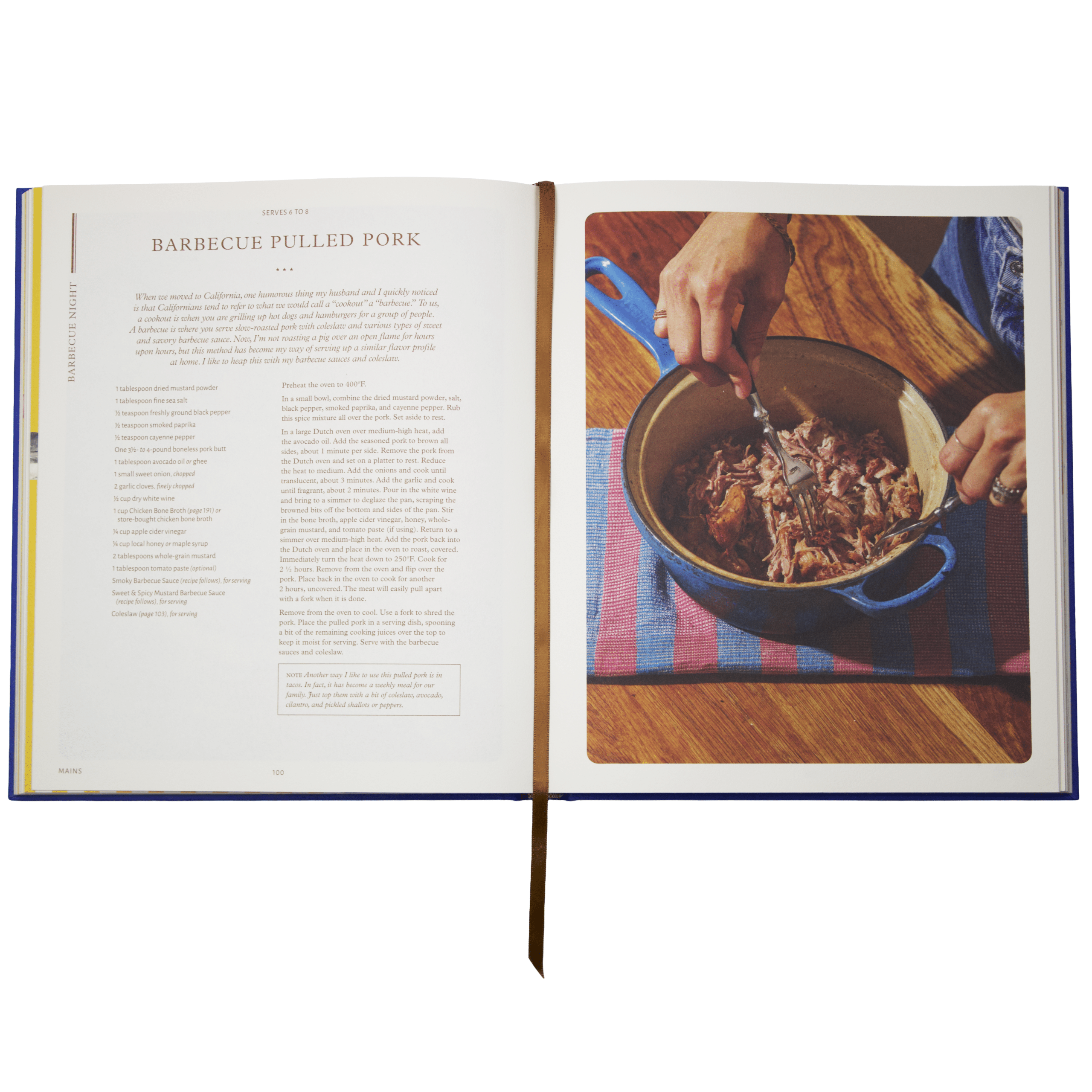
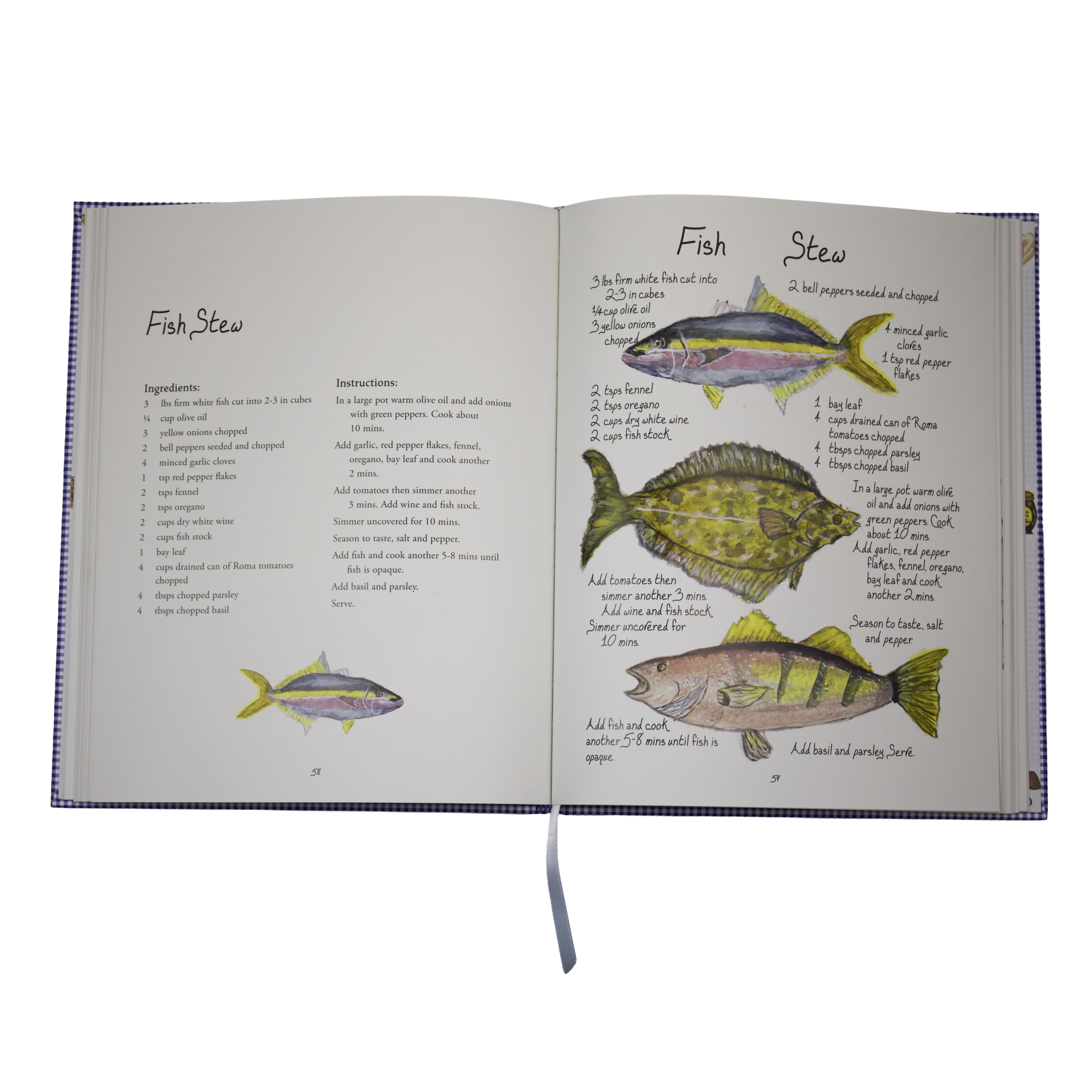
Cookbook design is about quick reference.
Layouts often include:
People read cookbooks while multitasking.

Yes. Many high-end cookbooks are produced overseas.
Lay-flat and sewn hardcover bindings are most popular.
Yes, with certain coatings and paper choices.
Yes, with documented specifications.